

Understanding the Different Types of Golf Clubs
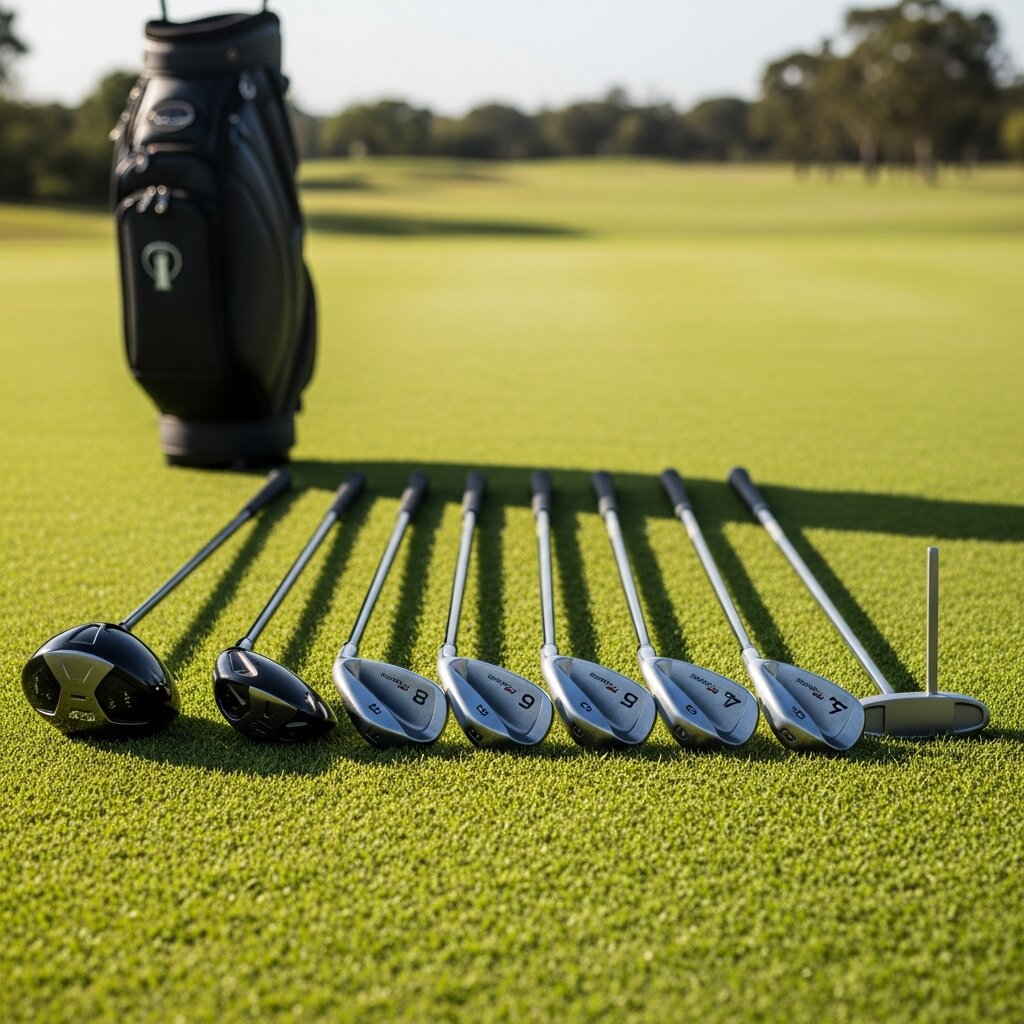
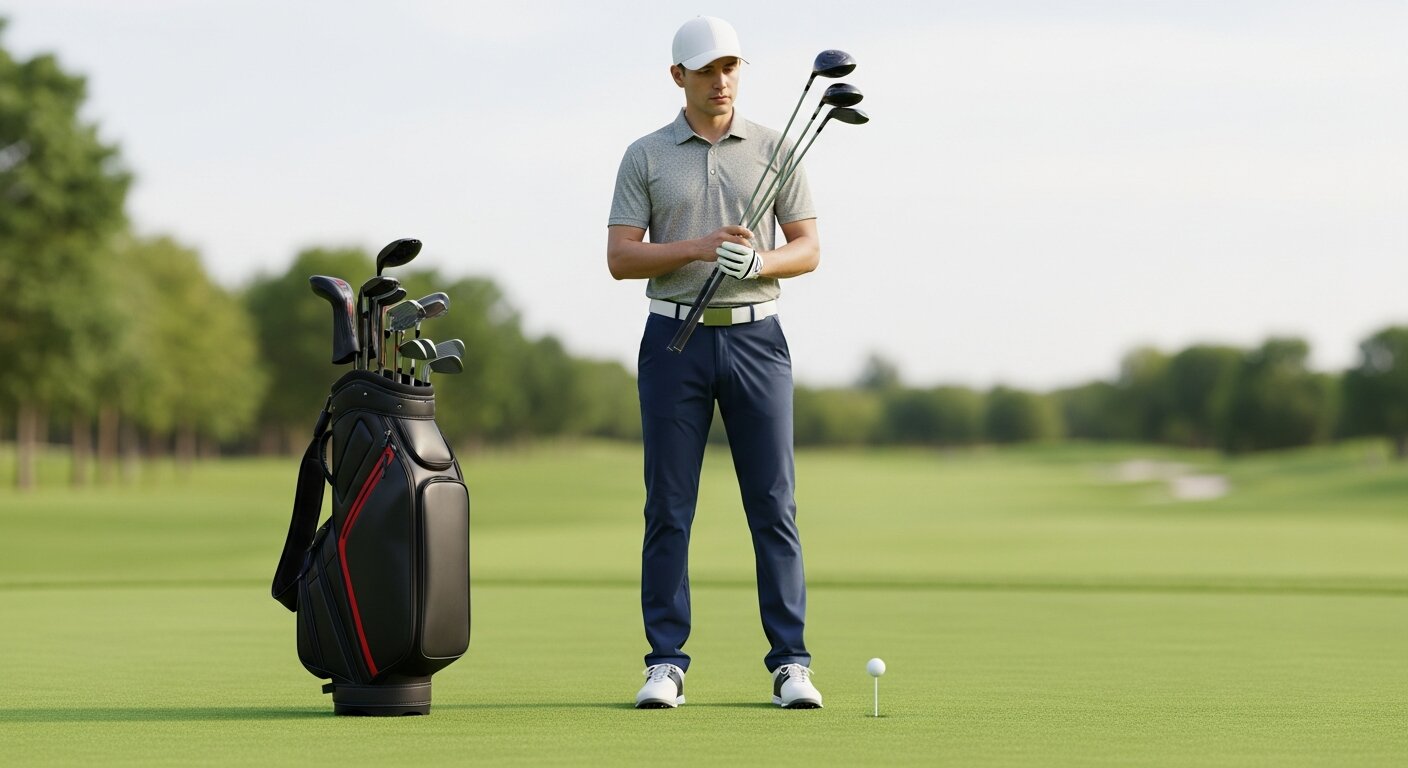
A standard golf bag can hold up to 14 clubs, but if you’re just starting out, you don’t need a full set right away. A smart Golf Club Buying Guide focuses on understanding each club’s purpose so you can build your set gradually based on your skill level and playing style. Knowing which clubs to prioritize will help you make better buying decisions and improve your performance faster.
Drivers and Fairway Woods
The driver is the longest club in your bag and is designed for maximum distance off the tee. It has the largest clubhead and the lowest loft, making it ideal for powerful opening shots on long holes. Fairway woods, on the other hand, have slightly smaller heads and more loft, allowing you to hit long shots from the fairway or rough. When following a Golf Club Buying Guide, beginners should look for drivers with a large sweet spot and high forgiveness to reduce the impact of off-center hits and build confidence.
Irons and Hybrids
Irons are the backbone of any golf set and are used for a wide range of shots. They are typically numbered from 3 to 9, with lower-numbered irons hitting the ball farther and higher-numbered irons offering more control and height. However, long irons (like 3 and 4) can be difficult for beginners to use effectively. That’s why many modern Golf Club Buying Guide recommendations suggest replacing them with hybrids. Hybrids combine the best features of woods and irons, making them easier to hit, more forgiving, and ideal for achieving better launch and distance consistency.
Wedges
Wedges are essential for short-distance and precision shots, especially around the green. The pitching wedge usually comes included with an iron set, but as your game improves, adding a gap wedge and sand wedge becomes important. A gap wedge helps fill the distance between your pitching and sand wedge, while a sand wedge is specifically designed to help you escape bunkers. Any reliable Golf Club Buying Guide will emphasize the importance of wedges for scoring, as they give you better control, spin, and accuracy in crucial situations.
Putters
Key Features to Consider Before You Buy
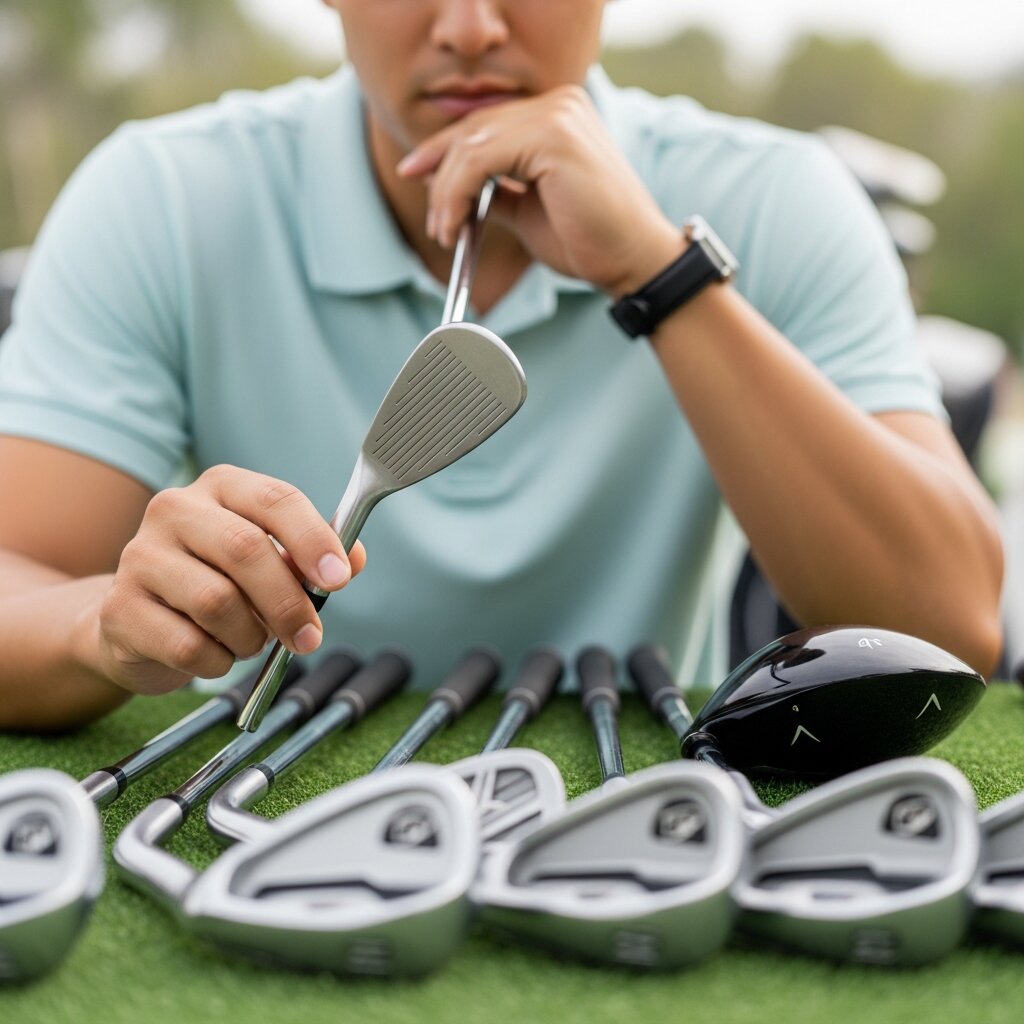
Choosing the right types of clubs is only part of the equation. A truly effective Golf Club Buying Guide also focuses on matching club specifications to your physical build, swing speed, and overall playing style. Small differences in shaft, clubhead design, and fitting can have a huge impact on your consistency, distance, and accuracy on the course.
Shaft Flexibility
The shaft plays a critical role in how energy is transferred from your swing to the ball. It connects the grip to the clubhead and directly affects both distance and control. Shafts come in a range of flex options, including senior (A), ladies (L), regular (R), stiff (S), and extra stiff (X). If you have a faster swing speed, a stiffer shaft helps keep the clubface stable at impact, preventing hooks or inconsistent shots. On the other hand, players with slower swing speeds benefit from more flexible shafts, which can increase clubhead speed and help launch the ball higher. A well-structured Golf Club Buying Guide always highlights the importance of choosing the correct shaft flex, as the wrong option can negatively affect timing, accuracy, and overall performance.
Clubhead Design and Forgiveness
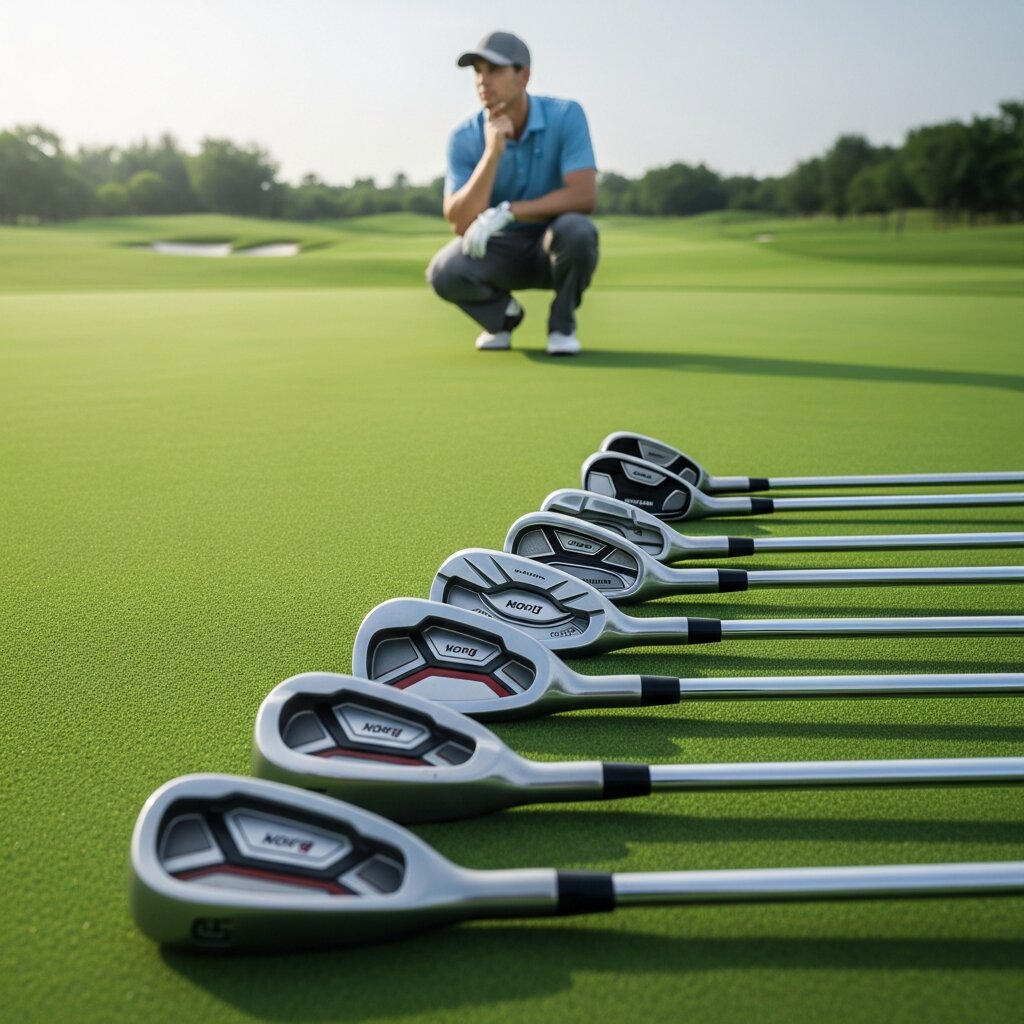
Clubhead design is another key factor that directly influences how forgiving a club is on off-center hits. Irons typically fall into two main categories: cavity back and muscle back (blade) designs. Cavity back irons are engineered with perimeter weighting, which redistributes mass around the edges of the clubhead. This design increases the sweet spot and reduces the impact of mishits, making them ideal for beginners and high-handicap players. Muscle back irons, or blades, have a more compact design with weight concentrated behind the center. While they offer greater control and shot-shaping ability, they require precise ball striking and are far less forgiving. Any practical Golf Club Buying Guide strongly recommends beginners start with cavity back irons to build confidence and consistency before considering more advanced options.
Getting Custom Fit
Frequently Asked Questions About Golf Clubs
What clubs should a beginner buy first?
A beginner should focus on a small, practical set rather than buying all 14 clubs at once. Essential clubs include a driver for tee shots, a hybrid for easier long-distance play, a few irons (like 6–9) for approach shots, a pitching wedge for short distances, and a putter for the green. A well-structured Golf Club Buying Guide recommends starting with these core clubs to build confidence and consistency before expanding your set.
Is it better to buy a full golf set or individual clubs?
For most beginners, a complete golf set is the best option because it offers convenience and better overall value. These sets are designed to work together and eliminate the confusion of choosing each club separately. However, a Golf Club Buying Guide suggests buying individual clubs if you already understand your swing and want more customization or higher-quality components.
How do I know which shaft flex is right for me?
Choosing the correct shaft flex depends mainly on your swing speed and tempo. Players with slower swing speeds benefit from more flexible shafts (like senior or regular), which help generate more distance and height. Faster swingers need stiffer shafts to maintain control and accuracy. A reliable Golf Club Buying Guide recommends testing different flex options or getting professionally fitted to ensure optimal performance.
What is the most important club in a golf bag?
The putter is often considered the most important club because it’s used on nearly every hole and directly affects your score. Even if you hit great drives and approach shots, poor putting can increase your total strokes. A complete Golf Club Buying Guide emphasizes choosing a putter that feels comfortable and suits your stroke style, as it can make a significant difference in your overall game.
Should I choose graphite or steel shafts?
Graphite shafts are lighter and easier to swing, making them ideal for beginners, seniors, and players with slower swing speeds. They help generate more clubhead speed and distance. Steel shafts, on the other hand, are heavier and provide better control and feedback, which is preferred by more experienced players. A balanced Golf Club Buying Guide suggests selecting the material based on your strength, swing style, and performance goals.
How many golf clubs do I really need as a beginner?
Beginners do not need the full 14-club setup. In fact, starting with fewer clubs can simplify your learning process and improve decision-making on the course. A typical beginner setup includes around 7 to 9 clubs, covering key distances and situations. A practical Golf Club Buying Guide recommends expanding your set gradually as your skills and confidence grow.
Are expensive golf clubs worth it?
Expensive golf clubs often come with advanced technology and premium materials, but they are not always necessary for beginners. New players may not fully benefit from these features until their swing becomes more consistent. A smart Golf Club Buying Guide advises focusing on forgiving, mid-range clubs that provide good performance without overspending early in your golf journey.
Can I buy used golf clubs?
Yes, buying used golf clubs is a great way to save money, especially for beginners who are still learning the game. Many used clubs are in excellent condition and offer high performance at a lower cost. A trusted Golf Club Buying Guide recommends purchasing from reputable retailers or certified sellers to ensure quality, authenticity, and durability.
What are forgiving golf clubs?
Forgiving golf clubs are designed to minimize the negative effects of off-center hits. They typically feature larger clubheads, perimeter weighting, and bigger sweet spots, which help maintain distance and direction even on mishits. A beginner-friendly Golf Club Buying Guide strongly recommends forgiving clubs, as they make the game easier and more enjoyable while helping build confidence.
Do I need custom-fitted golf clubs?
Custom fitting is not essential for beginners, but it can provide a significant advantage as you progress. A fitting session analyzes your swing and recommends the ideal club length, lie angle, shaft flex, and grip size. A detailed Golf Club Buying Guide highlights custom fitting as a smart investment for improving accuracy, consistency, and overall comfort on the course.
How often should I upgrade my golf clubs?
You don’t need to upgrade your golf clubs frequently. Most players keep their clubs for several years and only upgrade when their performance improves or their equipment starts to limit their game. A realistic Golf Club Buying Guide suggests focusing on skill development first and upgrading gradually based on your needs rather than trends or new releases.
Should beginners buy a complete boxed set?
Complete boxed sets offer a fantastic entry point into the game. They usually include a driver, a fairway wood, a hybrid, a handful of irons, a wedge, a putter, and a bag. This route saves money and eliminates the confusion of buying individual pieces.
How much should I spend on my first set of golf clubs?
A reliable beginner set typically ranges from $200 to $500. It is wise to avoid spending thousands of dollars on premium equipment until your swing becomes more consistent. You can also find excellent deals on high-quality used clubs from reputable retailers.
Do I really need 14 clubs?
No. Beginners can easily navigate a golf course with just 7 to 9 clubs. A common starter setup includes a driver, a hybrid, a 6-iron, an 8-iron, a pitching wedge, a sand wedge, and a putter.
Ready to Hit the Fairway?
Finding the perfect golf clubs requires a bit of research, but the payoff is immensely rewarding. Start by evaluating your budget and determining which clubs you truly need to get off the ground. Visit a local golf shop to test different shaft flexes and clubhead designs. Above all else, choose equipment that makes you feel confident when standing over the ball. Grab a starter set, head to the driving range, and start enjoying the greatest game ever played.
