


Stepping up to the tee box for the first time is a nerve-wracking experience. You grip the club tightly, look down the fairway, and hope to send the ball flying straight. Every new golfer wants to start their hole with a massive, perfectly placed drive.
Hitting a great drive sets up the rest of your hole for success. It gives you a shorter approach shot and builds your confidence. Many new players struggle with slices, hooks, or simply missing the ball entirely.
This guide will walk you through essential golf driving tips for beginners. You will learn how to set up correctly, improve your distance, and develop a consistent swing that keeps you out of the woods. Let us get started on building a drive you can rely on.
Best Driver Setup for Beginners
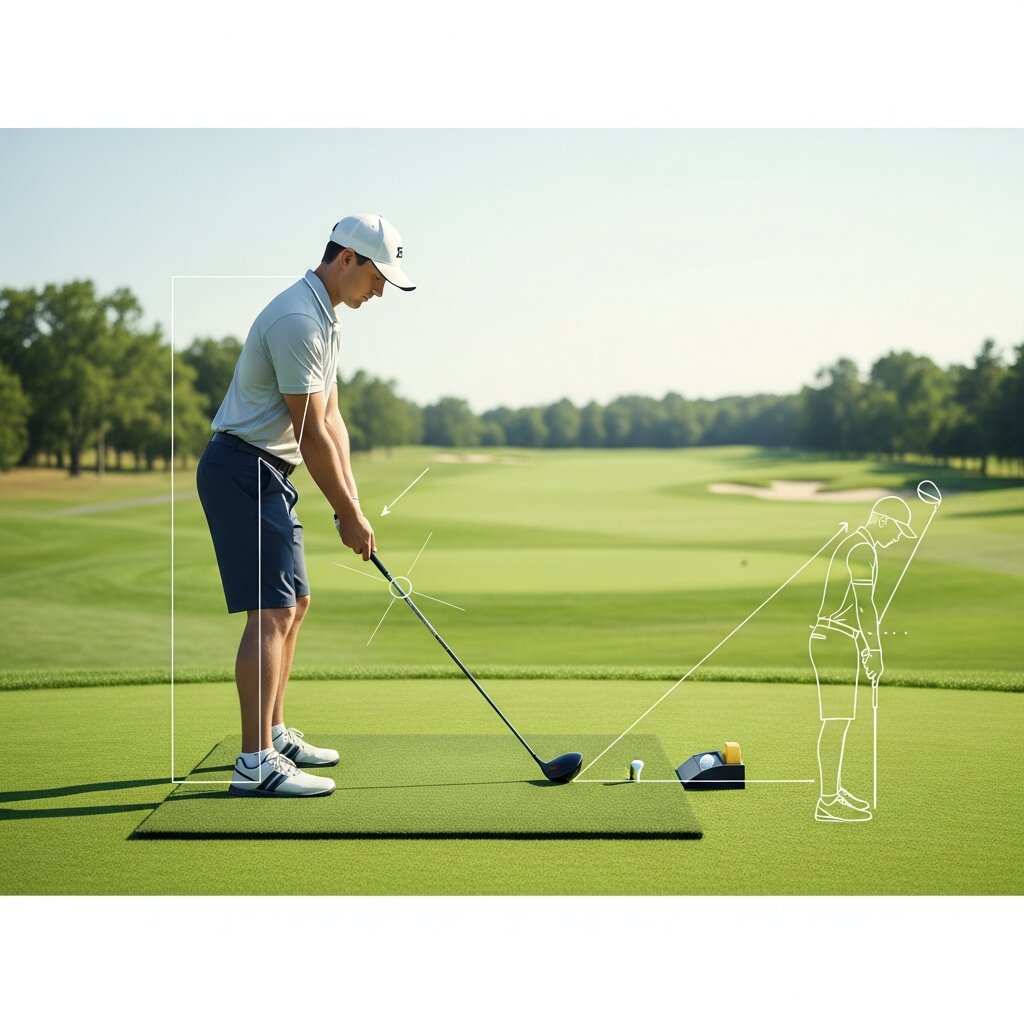
Golf Driver Stance and Posture Guide
Start by placing your feet slightly wider than shoulder-width apart. This wide base provides stability during your swing. Position the golf ball forward in your stance, aligning it with the inside of your lead heel. This ball placement allows you to hit the ball on the upswing.
Slightly tilt your spine away from the target. This tilt helps you launch the ball high into the air. Keep your knees slightly flexed and let your arms hang naturally. Avoid slouching. A straight back allows your shoulders to rotate freely.
Beginner Golf Driving Techniques

Once your setup is solid, the next step in improving your game is mastering your swing mechanics through proper Beginner Golf Driving Techniques. At this stage, many new golfers make the mistake of focusing too much on power, but effective performance comes from control, rhythm, and balance instead. One of the most important Golf Driving Tips for beginners is to prioritize a smooth tempo over aggressive swinging, allowing your body to move in a coordinated and natural sequence.
Good swing mechanics start with a controlled takeaway, a balanced transition at the top, and a steady downswing that flows without rushing. Keeping your body stable while rotating properly helps you generate consistent contact and better accuracy off the tee. By applying these Golf Driving Tips, beginners can develop a repeatable swing that produces more reliable distance and direction, rather than inconsistent shots caused by over-swinging or loss of balance.
Understanding the Takeaway
The first part of your swing is the takeaway. Keep your arms straight and turn your shoulders away from the target. Your wrists should naturally hinge as the club reaches waist height. Avoid snatching the club back quickly. A smooth, controlled takeaway sets the rhythm for the entire swing.
The Downswing and Impact
Initiate your downswing by shifting your weight onto your lead foot. Let your hips rotate toward the target, followed by your torso and finally your arms. Keep your head behind the ball at impact. This ensures you strike the ball on the upward arc, maximizing launch angle and distance.
How to Hit a Golf Ball Straight off the Tee
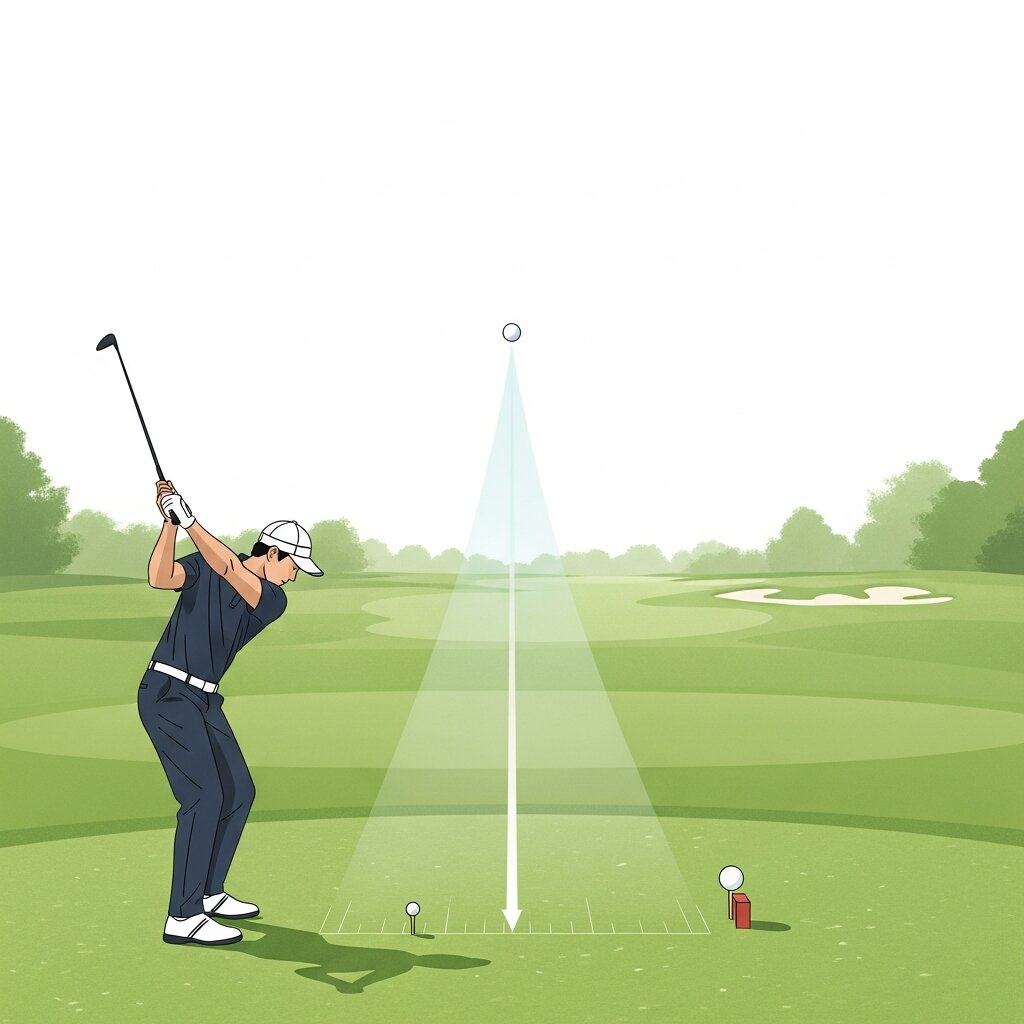
Hitting the ball straight is a major hurdle for new players. The key is controlling your clubface at impact.
Make sure your grip is neutral. If your grip is too strong or too weak, the clubface will naturally open or close when it strikes the ball. Aim to keep the back of your lead hand pointing directly at the target upon impact.
Focus on swinging along your target line. Many beginners swing “over the top,” bringing the club from the outside in. This creates a nasty slice. Practice swinging from the inside out, dropping your arms down close to your body as you start your downswing.
How to Improve Golf Drive Distance
Everyone wants to hit the ball further. Distance comes from clubhead speed and striking the center of the clubface.
To increase speed, focus on a full shoulder turn. Your back should face the target at the top of your backswing. This creates coil and torque. Release that energy smoothly through the downswing.
Do not try to swing as hard as you can. Swinging with 80 percent effort often produces better contact. Hitting the sweet spot with a smooth swing will make the ball travel much further than a violent swing that hits off the toe or heel.
Common Golf Swing Mistakes Beginners Make
Learning what to avoid is just as important as learning what to do. Beginners frequently make a few specific errors.
First, they try to help the ball into the air by scooping it. Let the loft of the club do the work.
Second, they lose their balance. If you are falling backward or stepping out of your swing after impact, you are swinging too hard.
Third, they grip the club like a baseball bat with extreme tension. A tight grip prevents your wrists from releasing naturally. Hold the club securely but gently, similar to holding an open tube of toothpaste.
Golf Driving Range Practice Tips
The driving range is your laboratory. Make the most of your time there by practicing with a purpose.
Always pick a specific target. Do not just blindly hit balls into the open field. Aiming at a particular flag or marker simulates on-course pressure.
Take your time between shots. Step back, visualize the shot, and go through your full setup routine every single time. Hitting 50 balls with careful attention is much better than rapid-firing 100 balls with poor technique.
Easy Golf Driving Drills for Beginners
Try the “feet together” drill. Stand with your feet touching and hit a few drives with a half-swing. This forces you to rely on proper rotation and tempo instead of leg strength. It is a fantastic way to find your rhythm and improve contact.
Another great drill is the “pause at the top” exercise. Swing to the top of your backswing and stop completely for two seconds. Then, start your downswing. This stops you from rushing the transition and helps you feel the correct sequence of movements.
Tips to Increase Golf Swing Consistency
Consistency is the holy grail of golf. To achieve it, you need a repeatable routine.
Develop a pre-shot routine that you do before every single drive. This might include taking one practice swing, picking an intermediate target a few feet in front of the ball, and taking a deep breath.
Focus on maintaining a steady head. While your head will move slightly, keeping it relatively still helps ensure your club returns to the same position at impact. Record your swing on your phone occasionally to check your head movement and posture.
Frequently Asked Questions
What is the best driver loft for a beginner?
As part of essential Golf Driving Tips, beginners should use a driver with a higher loft, typically between 10.5 and 12 degrees. A higher loft makes it easier to launch the ball into the air and helps reduce side spin, which can minimize slicing and improve overall control off the tee.
How high should I tee the golf ball?
One of the most important Golf Driving Tips is proper tee height. Tee the ball so that about half of it sits above the crown of your driver when placed behind it. This setup encourages an upward strike, helping you achieve better launch and distance.
Why do I keep slicing my driver?
A slice is a common issue, and a key part of Golf Driving Tips is understanding its cause. It usually happens when the clubface is open at impact, often due to an “over the top” swing path or a weak grip. Fixing alignment and swing path can greatly reduce slicing.
Should I look at the ball or the target when swinging?
A simple but important Golf Driving Tips principle is to keep your eyes focused on the back of the golf ball during your swing. Only look toward your target after you have made contact and are moving into your follow-through for better consistency.
How far should a beginner hit a driver?
According to basic Golf Driving Tips, beginner golfers typically hit their driver between 150 and 220 yards depending on strength and technique. However, accuracy and consistent contact are far more important than maximum distance at the early stage.
Where should the ball be in my stance?
Position the ball forward in your stance. It should line up with the inside of your front foot (left foot for a right-handed golfer).
How tightly should I hold the golf club?
On a scale of 1 to 10, your grip pressure should be around a 4 or 5. A relaxed grip allows your wrists to hinge and release properly through the ball.
Is a lighter driver shaft better for beginners?
Yes, a lighter, more flexible shaft (like a regular or senior flex) helps beginners generate more clubhead speed without needing to swing aggressively.
Why do I top the golf ball off the tee?
Topping the ball often occurs when you lift your upper body or head right before impact. Maintain your spine angle throughout the downswing.
Should I swing harder to get more distance?
No. Swinging too hard throws off your tempo and balance, leading to poor contact. A smooth, rhythmic swing that hits the center of the clubface produces the most distance.
How wide should my stance be?
Your stance should be slightly wider than shoulder-width apart. This gives you a stable foundation for the longer, faster swing of a driver.
Do I need to take a divot with my driver?
No, you should not take a divot with your driver. You want to sweep the ball off the tee on an upward trajectory.
What is the takeaway in a golf swing?
The takeaway is the initial movement of the club away from the ball. A low, slow takeaway helps keep the club on the correct path.
Can I use my driver off the deck (without a tee)?
While advanced players sometimes do this, beginners should always use a tee. Hitting a driver off the grass is very difficult and requires precise swing control.
How often should a beginner practice driving?
Aim to visit the driving range once or twice a week. Spend at least half of your time practicing with shorter clubs before moving to your driver.
