


Finding the best golf clubs for beginners can make a huge difference in how quickly you learn and enjoy the game. Beginner-friendly clubs are designed with forgiveness, larger sweet spots, and lightweight materials to help you hit better shots even with an inconsistent swing. Choosing the right set—featuring cavity back irons, hybrids instead of long irons, and a forgiving driver—will boost your confidence and improve your performance on the course. Investing in the best golf clubs for beginners ensures a smoother learning experience and long-term progress.
Why Your First Set of Golf Clubs Matters
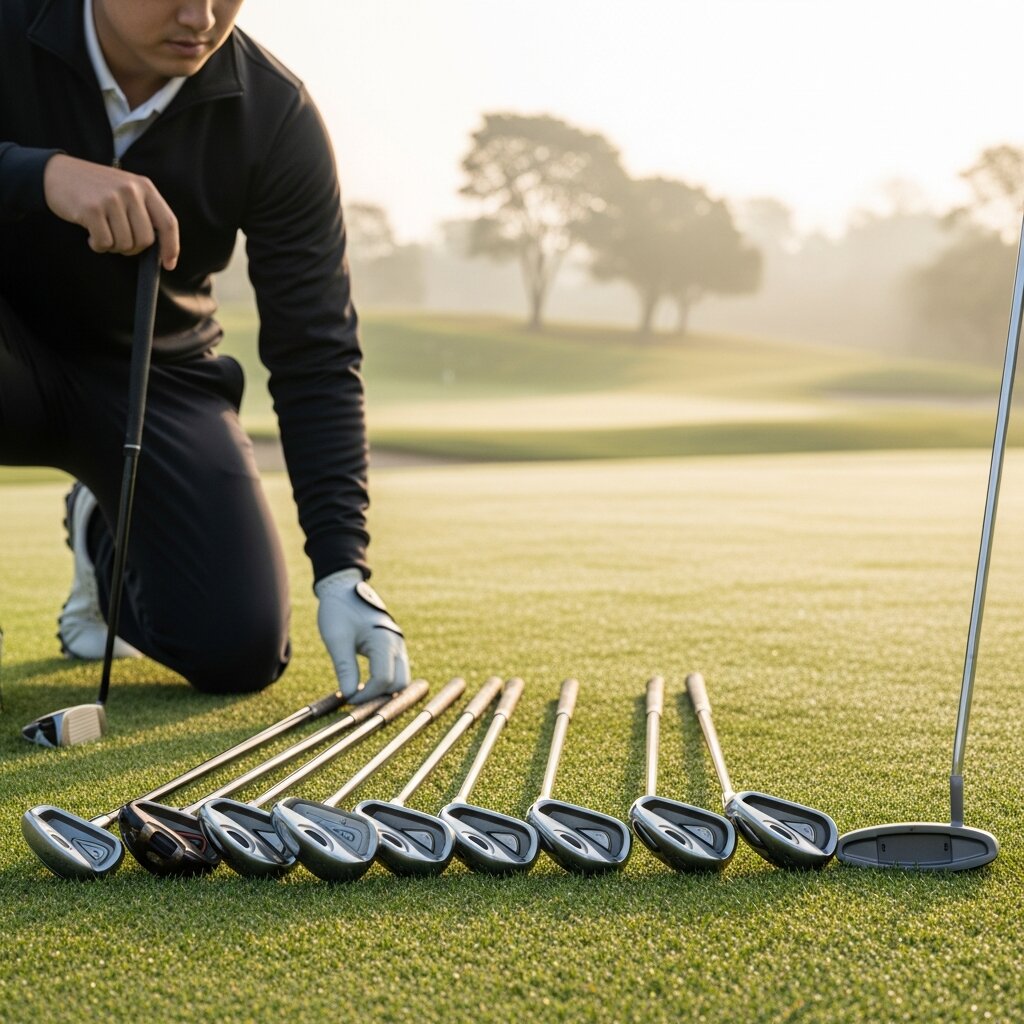
Golf is a highly technical sport. A swing requires coordination, balance, and timing. When you are just starting out, your swing will naturally be inconsistent. You will hit the ground behind the ball, strike the ball on the toe of the club, and struggle to get the right amount of loft.
Beginner golf clubs are specifically designed to counteract these common mistakes. Manufacturers call this “forgiveness.” A forgiving golf club minimizes the negative effects of a poor swing. If you hit the ball off the heel or the toe, a forgiving club will still send it relatively straight and forward. If you use clubs built for professionals, that same mishit will vibrate painfully up your arms and send the ball diving into the nearest water hazard.
Using the right clubs accelerates your learning process. When you hit a decent shot, the club rewards you with a satisfying sound and good distance. This positive reinforcement builds your confidence. You will want to practice more, play more rounds, and continue improving. Investing in a proper beginner set is an investment in your long-term enjoyment of the sport.
What Makes a Golf Club Good for Beginners?
Understanding a few basic equipment terms will make your shopping experience much easier. You do not need a degree in physics to buy golf clubs, but knowing how certain design elements help your game is highly beneficial.
Cavity Back Irons
When you look at the back of an iron, you will notice it is either completely solid or has a hollowed-out section. Solid irons are known as “muscle backs” or blades. They offer great control for professionals but are incredibly difficult to hit. Beginners should always look for “cavity back” irons. The hollowed-out back pushes the weight of the metal to the perimeter of the clubhead. This design expands the sweet spot, meaning you do not have to strike the ball perfectly in the center to get a good result.
Graphite vs. Steel Shafts
The shaft is the long stick connecting the grip to the clubhead. Shafts are typically made from either steel or graphite. Steel shafts are heavier and more durable, offering great feedback for players with fast swing speeds. Graphite shafts are significantly lighter. The lighter weight helps beginners generate more swing speed without overexerting themselves, which translates directly to more distance. Most beginner sets feature a graphite shaft for the driver and woods, and sometimes offer a choice between graphite and steel for the irons.
Large Sweet Spots and Clubface Size
The clubface is the flat part of the clubhead that strikes the ball. Beginner clubs feature oversized clubheads. A larger clubface naturally provides a larger sweet spot. This builds immense confidence when you are standing over the ball. Oversized drivers, which usually hit the maximum legal limit of 460cc, look massive behind the golf ball and make it much easier to make solid contact off the tee.
Hybrids Over Long Irons
Long irons (the 3, 4, and 5 irons) have long shafts and very little loft. They are notoriously difficult to hit, even for intermediate players. Golf club engineers solved this problem by inventing the hybrid. A hybrid combines the easy-to-hit nature of a fairway wood with the length and control of an iron. Most modern beginner sets replace the hard-to-hit long irons with one or two hybrids.
Top Golf Club Sets for Beginners
Buying a complete packaged set is the smartest route for a new golfer. These sets provide every club you need to play a full round, and they usually come with a golf bag. Here are some of the standout options currently on the market.
Callaway Strata Complete Set
The Callaway Strata is widely considered the gold standard for beginner golf clubs. Callaway engineered this set specifically for players who need maximum forgiveness and distance. The standard set comes with a driver, a fairway wood, a hybrid, a handful of irons, a pitching wedge, and a putter. The oversized 460cc driver features a massive sweet spot, while the irons use cavity back technology for easy launching. It is highly durable, aggressively priced, and provides an excellent foundation for any new golfer.
TaylorMade RBZ SpeedLite
If you have a slightly higher budget and want a set that you will not outgrow quickly, the TaylorMade RBZ SpeedLite is an exceptional choice. TaylorMade used premium lightweight materials to construct these clubs. The lighter overall weight allows beginners to swing faster with less effort. The set includes a very aerodynamic driver, high-launching fairway woods, and a visually appealing mallet putter that makes lining up putts incredibly easy. It sits at a higher price point, but the technology inside these clubs rivals many professional models.
Wilson Profile Platinum
Wilson has a long history of creating fantastic entry-level sporting goods, and their Profile Platinum golf set is no exception. This set is heavily focused on game improvement. One of the best features of the Wilson Profile set is the custom fit in a box system. Wilson offers different lengths based on your height, ensuring you do not end up with clubs that are too long or too short. The set includes a robust stand bag with plenty of pockets for golf balls, tees, and rain gear.
Cobra Fly-XL Complete Set
Cobra is known for making clubs that help players hit the ball high and far. The Fly-XL set is designed to fix a common beginner mistake: the slice. A slice happens when the ball curves sharply to the right (for a right-handed golfer). The driver and woods in the Cobra Fly-XL set feature a slight draw bias. This means the weight inside the clubhead is positioned to help you close the clubface at impact, naturally combating the dreaded slice. The irons are incredibly forgiving, and the entire set feels very premium in your hands.
Essential Clubs Every Beginner Actually Needs
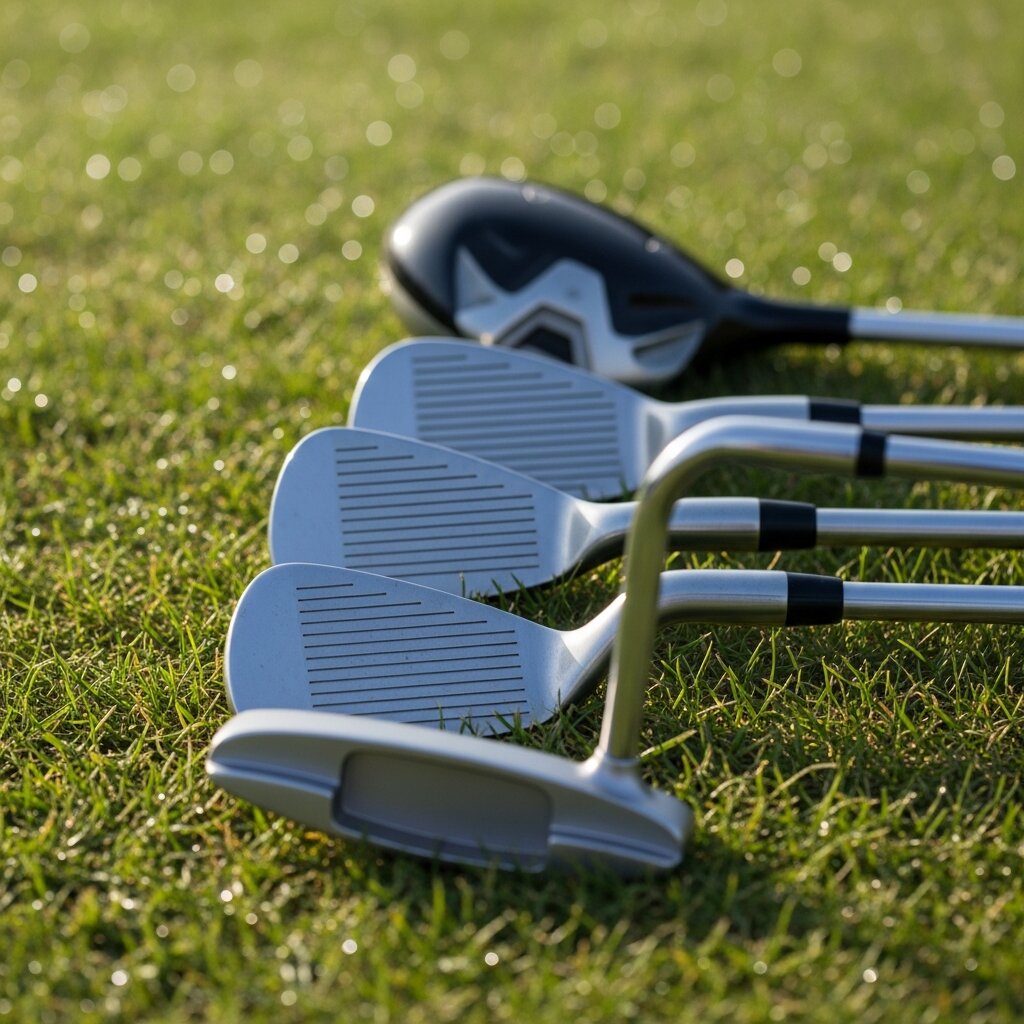
A standard golf bag can hold a maximum of 14 clubs according to the rules of golf. However, a beginner absolutely does not need 14 clubs. Having too many options can cause confusion on the course. A streamlined set of 9 to 11 clubs is perfect for learning the game.
The Driver
The driver is the longest club in your bag and has the lowest amount of loft. You use it exclusively on the tee box for your first shot on long holes. A beginner driver should have plenty of loft, usually between 10.5 and 12 degrees. More loft helps get the ball airborne, which increases your overall distance.
Fairway Woods and Hybrids
Fairway woods (like a 3-wood or 5-wood) are used for long shots off the grass. They have shallower faces than a driver, making it easier to sweep the ball off the turf. Hybrids take the place of long irons. If you are 180 yards away from the hole, pulling a 4-hybrid out of your bag is a much safer bet than trying to hit a 4-iron. Hybrids glide through the grass easily and pop the ball high into the air.
Irons (6-9)
Your mid-to-short irons are the workhorses of your golf bag. You will use the 6, 7, 8, and 9 irons for approach shots into the green. Beginner irons should have a wide sole (the bottom of the club). A wider sole prevents the club from digging too deeply into the dirt if you hit the ground before the ball.
Wedges
Wedges are used for short shots around the green and for escaping sand bunkers. Most beginner sets include a Pitching Wedge (PW) and a Sand Wedge (SW). The pitching wedge is great for full shots from about 100 yards out, as well as short bump-and-run chips. The sand wedge has more loft and a specially designed sole that helps it glide through sand without getting stuck.
The Putter
You will use the putter on almost every single hole. Putters generally fall into two categories: blades and mallets. Blade putters are traditional and thin. Mallet putters have large, heavy heads extending backward. Beginners often perform better with mallet putters. The extra weight stabilizes the clubhead during the stroke, and the larger surface area provides better visual alignment aids to help you aim at the hole.
Tips for Buying Your First Golf Clubs

Purchasing golf clubs is an exciting milestone. Keeping a few practical tips in mind will ensure you make a wise investment that suits your physical abilities and your budget.
Consider Shaft Flex
Shaft flex refers to how much the golf club bends during your swing. The faster you swing, the stiffer the shaft you need. Most beginners have average or slightly below-average swing speeds while they learn the mechanics. A “Regular” flex is the standard for most adult men starting out. “Senior” or “Lite” flex is highly bendable, making it great for older players. “Ladies” flex is designed specifically for the average swing speed of female beginners. Playing with a shaft that is too stiff will result in low, weak shots that fade to the right.
Grip Size Matters
The grip is your only physical connection to the golf club. If your grips are the wrong size, your hands will instinctively compensate, ruining your swing mechanics. Standard grips work for most people. If you have very large hands or long fingers, consider midsize or jumbo grips. The right grip allows you to hold the club lightly without feeling like it will slip out of your hands during the swing.
Try Before You Buy
If you have the opportunity, visit a local golf shop or a driving range that allows you to test clubs. Feeling the weight of the club in your hands and hitting a few balls can tell you a lot. Even if your swing is inconsistent, you will naturally gravitate toward a club that feels balanced and looks appealing to your eye.
Frequently Asked Questions About Beginner Golf Clubs
Should beginners buy a full packaged set or individual clubs?
Buying a full packaged set is almost always the best route for a beginner. Packaged sets are perfectly gapped, meaning there is a consistent distance difference between each club. They are also significantly more cost-effective than buying a driver, woods, irons, wedges, and a bag separately. Once you develop a consistent swing and lower your scores, you can start upgrading individual clubs.
How much should a beginner spend on golf clubs?
A quality beginner packaged set typically costs between $300 and $800. Spending less than $300 often means sacrificing durability and technology; you might end up with clubs that dent easily or grips that wear out after a few months. Spending more than $800 is generally unnecessary for a novice, as you will not yet have the swing consistency required to benefit from the advanced features of premium, tour-level equipment.
Are expensive golf clubs worth it for a novice?
Expensive, professional-grade golf clubs are actually detrimental to a beginner’s game. Premium clubs (like forged muscle back irons) are designed to give highly skilled players total control over the trajectory and spin of the golf ball. They offer almost zero forgiveness. A beginner using a professional iron will find the game incredibly frustrating. Stick to game-improvement, beginner-focused clubs to ensure you actually enjoy your time on the course.
What is the most important club for a beginner to practice with?
The 7-iron is widely considered the best club for beginners to practice with. It sits right in the middle of your bag in terms of length and loft. It is short enough to control easily but has enough loft to get the ball airborne quickly. Mastering your 7-iron swing will help you build muscle memory that easily translates to the rest of your irons and woods.
Ready to Hit the Fairways?
Starting your golf journey is an exciting process. The learning curve is steep, but the reward of hitting a perfect shot soaring down the middle of the fairway is unmatched. By choosing a forgiving, well-designed set of beginner golf clubs, you remove unnecessary hurdles and set yourself up for success.
Remember to prioritize cavity back irons, graphite shafts for your longer clubs, and a reliable mallet putter. Focus on game improvement features rather than professional prestige. Grab a set that fits your budget, head to the local driving range, and start having fun with this incredible sport. If you are looking for more advice on how to lower your scores and improve your swing mechanics, be sure to explore our other guides for new golfers.
