

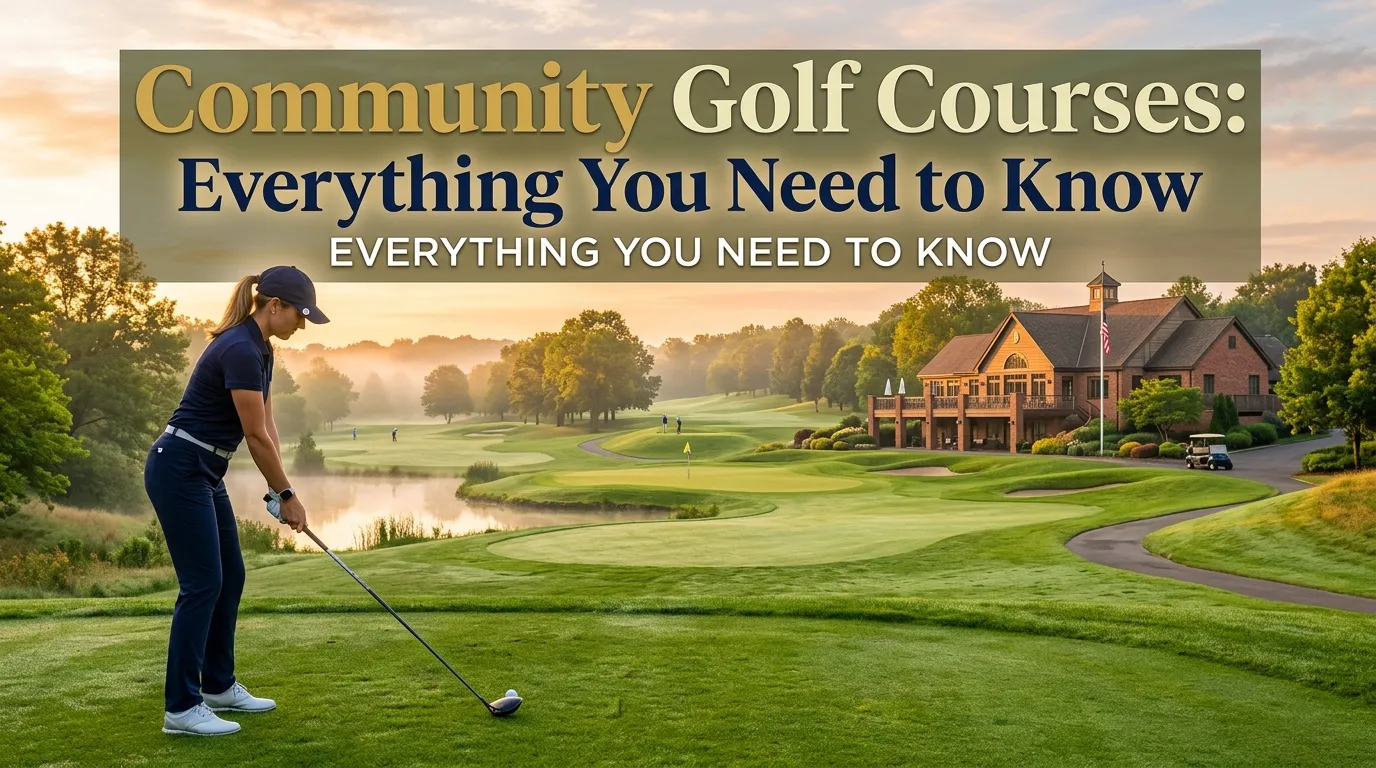
A community golf course is a public or municipal golf facility designed to serve local residents of all ages and skill levels. These courses typically offer affordable memberships, beginner-friendly programs, family activities, and a range of amenities—making golf accessible to far more people than private clubs do.
Golf has a reputation problem. For decades, the sport has been associated with expensive memberships, dress codes, and an exclusivity that feels miles away from most people’s reality. But community golf courses are quietly rewriting that story—one round at a time.
Whether you live near a municipal course maintained by your local government or a neighborhood club run by volunteers, community golf courses serve a fundamentally different purpose than their private counterparts. They exist to make the game accessible, enjoyable, and affordable for everyone. Families, retirees, beginners, and seasoned players all share the same fairways.
This guide covers everything you need to know about community golf courses—from the types available and what to expect from membership, to the facilities, events, and programs that make these courses worth your time. If you’ve been on the fence about getting into golf (or getting back into it), this is where to start.
What Is a Community Golf Course?
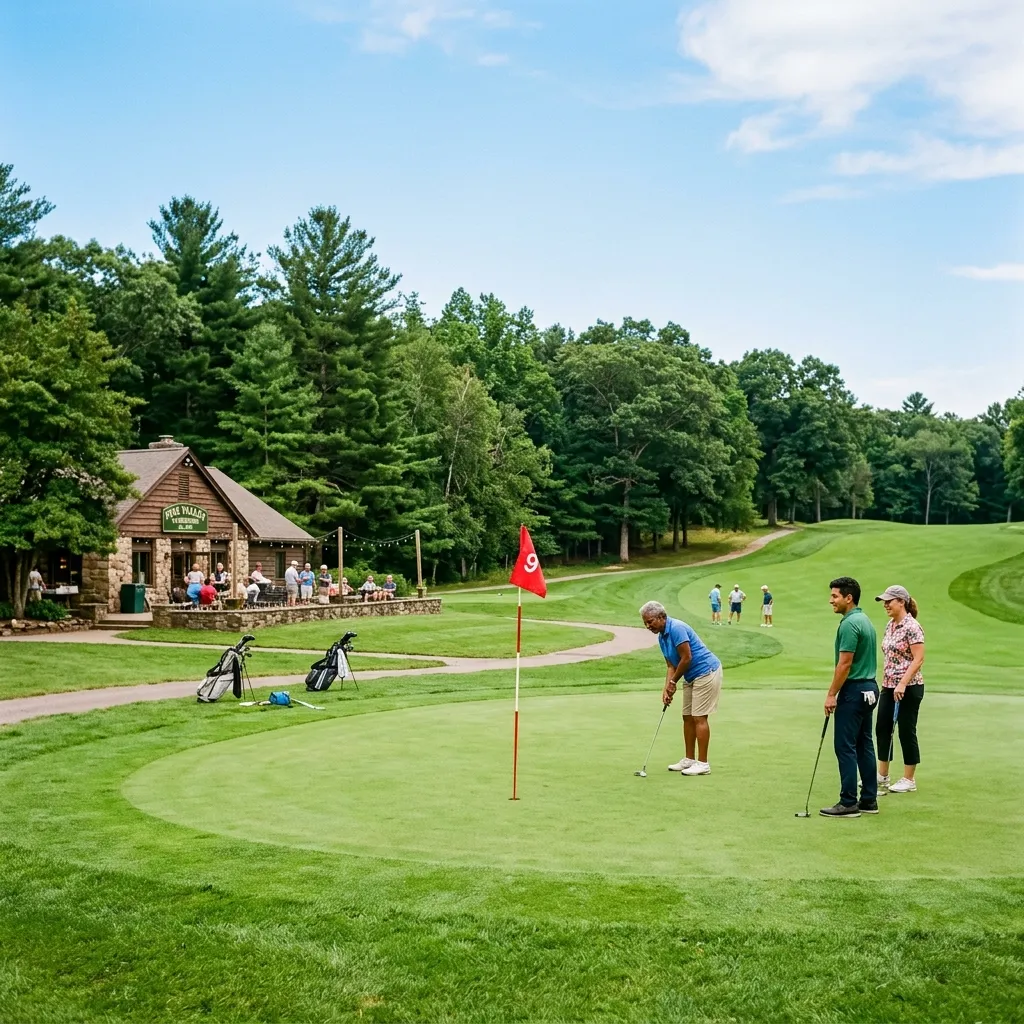
A community golf course is any golf facility primarily designed to serve the general public—particularly local residents. Unlike private clubs that restrict access to dues-paying members, community courses welcome walk-ins, casual players, and first-timers without requiring an expensive buy-in.
These courses come in several forms, each with slightly different ownership structures and funding models.
Public Golf Courses: Open to Everyone
A public golf course is open to any golfer who shows up and pays the green fee. No membership required, no invitation needed. Public courses range from basic nine-hole layouts to well-maintained 18-hole facilities with full clubhouse amenities.
The accessibility of public golf courses makes them the backbone of recreational golf. According to the National Golf Foundation, approximately 75% of all golf courses in the United States are open to the public in some form—a figure that underscores just how central these facilities are to the sport’s broader ecosystem.
Municipal Golf Courses: Funded by Your Community
A municipal golf course is a specific type of public course owned and operated by a local government—typically a city, county, or park district. Because municipal courses are publicly funded, they tend to offer some of the lowest green fees available, making them a reliable option for golfers on a budget.
Many municipal courses also prioritize programming, offering junior golf clinics, senior discounts, and community events throughout the year. The trade-off is that course conditions can vary depending on local budget allocations, but many municipal facilities maintain impressive standards.
Neighborhood Golf Courses: Serving the Local Community
A neighborhood golf course is often smaller in scale—think a par-3 layout or executive course—and specifically designed to serve a defined local area. These facilities place a premium on convenience and community connection over prestige. You’ll often find tight-knit groups of regulars, informal competitions, and a relaxed atmosphere that suits casual play.
How Much Does a Community Golf Course Cost?
Affordability is one of the defining features of community golf courses. Green fees at public and municipal courses typically range from $15 to $60 per round, depending on location, time of day, and course quality. Twilight rates—usually available in the late afternoon—can bring that cost down significantly.
What Does Golf Course Membership Include?
For regular players, a golf course membership at a community facility is often the smartest financial move. Most public and municipal courses offer annual or seasonal memberships that provide unlimited or discounted rounds for a fixed fee. Depending on the course, membership packages may include:
- Unlimited green fees for the membership period
- Discounted cart rentals and range balls
- Priority tee time booking before the general public
- Access to member-only tournaments and social events
- Discounts at the pro shop and clubhouse restaurant
Membership fees at community golf courses are considerably lower than at private clubs, where initiation fees alone can run into tens of thousands of dollars. A community course membership often falls between $500 and $2,000 annually—a fraction of the private club equivalent.
Families benefit most from membership pricing. Many courses offer household memberships that cover all immediate family members, making it a cost-effective way to introduce children to the sport without paying individual rates.
What Facilities Can You Expect at a Community Golf Course?
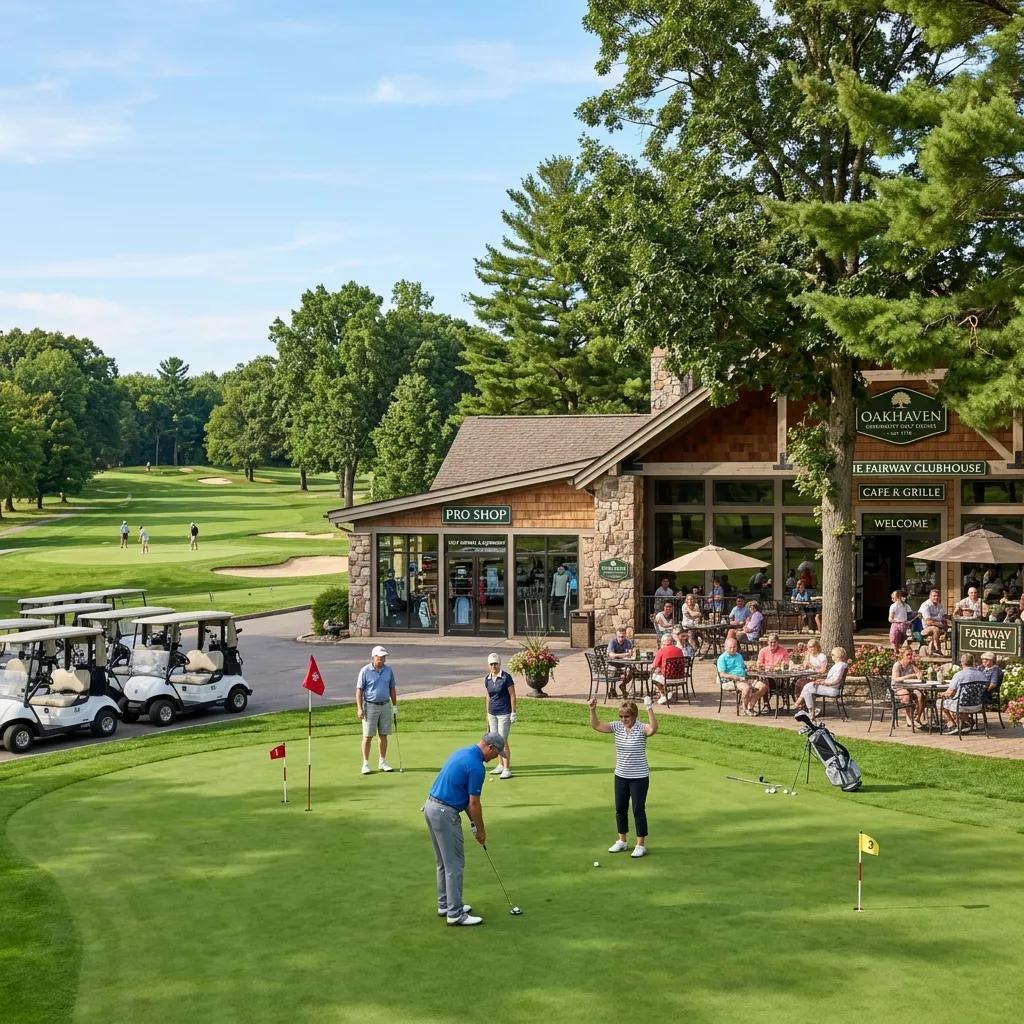
The quality and range of golf course facilities has improved substantially over the past two decades. Today’s community courses offer far more than just fairways and a parking lot.
Core Facilities at Most Community Courses
- Driving range: A practice range where players can warm up or work on their swing. Many ranges now offer covered bays with ball-tracking technology.
- Putting and chipping greens: Practice areas specifically designed for short-game development.
- Pro shop: A retail space stocking equipment, apparel, and accessories, often with club fitting services.
- Clubhouse: A central hub for check-ins, socializing, and often dining. Many community courses run a café or grill within the clubhouse.
- Rental equipment: Clubs, carts, and pull trolleys available for hire, making the course accessible to those who don’t yet own their own gear.
Some larger municipal and public courses also feature teaching academies with certified PGA professionals on staff, simulator bays for off-season practice, and event spaces for private functions.
Is a Community Golf Course Right for Beginners?
Absolutely—and this is arguably where community courses shine brightest. A beginner-friendly golf course removes the intimidation factor that stops many people from ever picking up a club.
Most community courses actively encourage new players by offering:
- Group and individual lessons with PGA-certified instructors
- Introduction to golf programs for adults and juniors
- Nine-hole options that reduce time commitment and physical demand
- Relaxed pace-of-play policies that don’t pressure beginners
- Loaner or rental clubs so new players can try the sport before investing in equipment
The social atmosphere at community courses also differs from private clubs. Regulars tend to be welcoming, and it’s common to be paired with other players who are happy to share tips and encouragement.
Family-Friendly Golf: A Sport for All Ages
One of the strongest arguments for community golf courses is their ability to bring families together across generational lines. A family-friendly golf course creates an environment where a 10-year-old, a 40-year-old, and a 70-year-old can all compete meaningfully on the same day.
Many community courses run structured junior programs during school holidays, including:
- Junior leagues and team competitions
- Summer camps focused on golf fundamentals and sportsmanship
- Parent-child tournaments
- Discounted junior memberships
For families with young children, shorter course layouts—par-3 courses, in particular—keep rounds manageable in terms of both time and difficulty. These layouts are ideal for introducing kids to the sport without the frustration of a full 18-hole round.
Golf Tournaments and Events at Community Courses
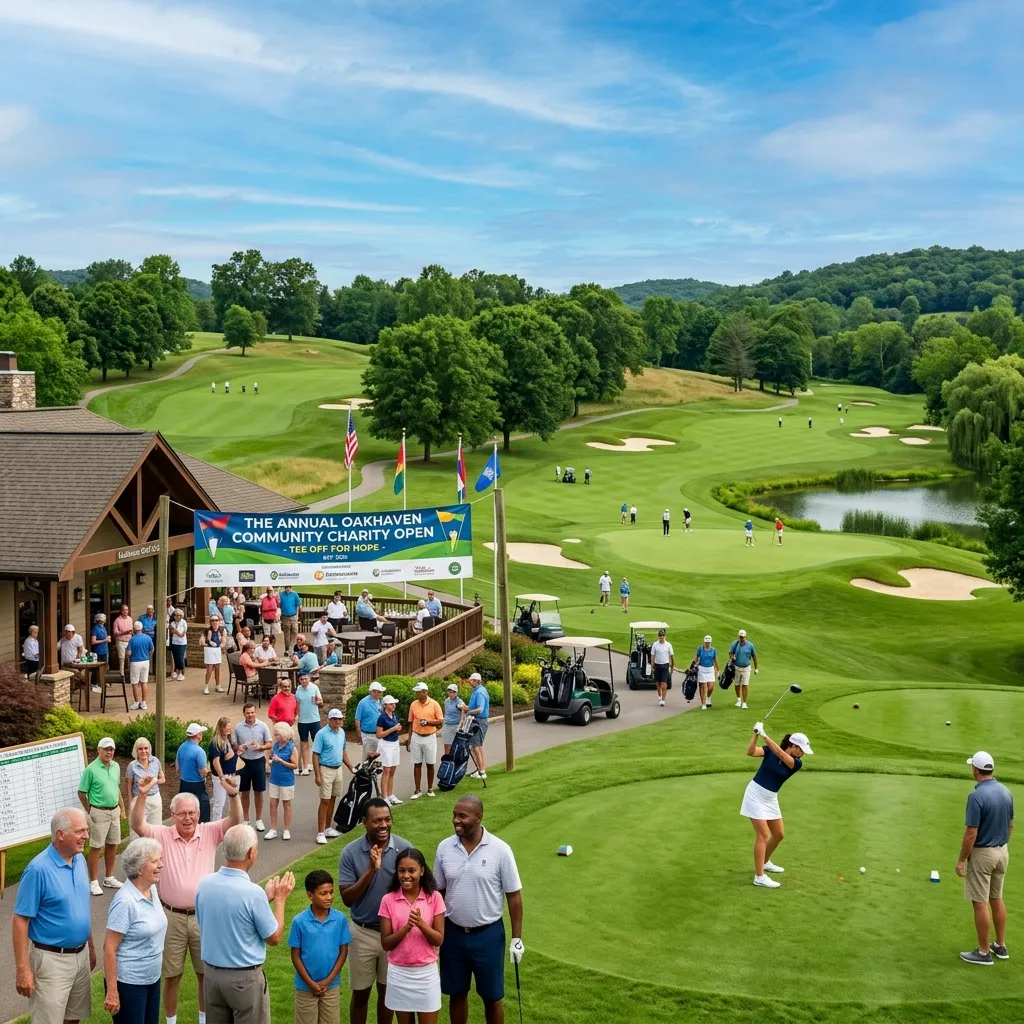
Community golf courses host a surprising range of competitive and social events throughout the year. Golf tournaments and events are a core part of what makes local courses feel like genuine community hubs, rather than just a place to play a round.
Common events include:
- Club championships: Annual tournaments open to members, typically flighted by handicap so players compete against others of similar ability.
- Member-guest events: Tournaments where members invite friends or family to compete alongside them.
- Charity fundraisers: Many community courses partner with local organizations to host charity golf days, often in a scramble or best-ball format that welcomes all skill levels.
- Seasonal competitions: Stableford competitions, skins games, and match-play brackets run throughout the season to keep regular players engaged.
These events do more than fill tee sheets—they build the social fabric that keeps community courses thriving. Many lifelong friendships start on the first tee of a club competition.
Local Golf Clubs: The Social Side of Community Golf
A local golf club operates within or alongside a community course and forms the organized membership base. Joining a local golf club connects you to a network of players at a similar level, gives you access to an official handicap index, and opens the door to interclub competitions against other courses in your region.
Club committees typically organize the annual events calendar, manage course operations in partnership with venue management, and advocate for member interests. For anyone serious about improving and enjoying the social dimension of golf, joining the club attached to your local course is a natural step.
How to Choose the Right Community Golf Course
Not all community courses offer the same experience. When evaluating options near you, consider the following:
- Course condition and layout: Walk the course or check recent reviews before committing to a membership.
- Facilities: Does the course offer the amenities that matter to you—a driving range, a decent clubhouse, a pro shop?
- Programming: If you’re a beginner or bringing children, look for structured lessons and junior programs.
- Membership value: Calculate how many rounds per year you’d need to play for membership to outperform pay-as-you-go green fees.
- Community fit: Visit during a busy period and get a feel for the atmosphere. The social environment matters as much as the course itself.
The Lasting Value of Community Golf Courses
Community golf courses occupy a unique place in local life. They’re recreational facilities, social venues, and green spaces all at once. For many people, a round at the local municipal or neighborhood course represents their first real exposure to the sport—and often their most enduring relationship with it.
The continued investment in public and municipal golf infrastructure signals something important: the sport is growing beyond its traditional demographics, reaching new players across income levels, age groups, and backgrounds. Community courses are the primary vehicle for that growth.
If you haven’t visited your local course recently, it’s worth a look. You might find it’s come a long way.
Frequently Asked Questions
What is the difference between a public golf course and a municipal golf course?
A public golf course is open to all players without a membership requirement, regardless of ownership. A municipal golf course is a specific type of public course owned and operated by a local government body, such as a city or county. Municipal courses are typically funded by public budgets, which often results in lower green fees.
How much does it cost to join a community golf course?
Annual membership fees at community golf courses generally range from $500 to $2,000, depending on the course location, facilities, and membership tier. Family memberships and junior memberships are often available at discounted rates. Individual green fees without membership typically range from $15 to $60 per round.
Are community golf courses good for beginners?
Yes. Most community golf courses are well-suited to beginners, offering group lessons, introductory programs, equipment rentals, and relaxed pace-of-play expectations. Par-3 and executive layouts are especially beginner-friendly, as they provide a shorter, less demanding introduction to the game.
What events do community golf courses typically run?
Community courses commonly host club championships, charity golf days, member-guest tournaments, junior competitions, and seasonal stableford events. Many courses also run social competitions on weekends throughout the season.
Do I need my own clubs to play at a community golf course?
No. Most community courses offer club rental sets, making it easy to play without owning your own equipment. Rental fees are generally modest and included or available separately at the pro shop.
What age can children start playing at a community golf course?
Many community courses welcome junior players from age five or six, particularly through structured junior programs and beginner clinics. Some facilities offer family tee options that shorten the course for younger players, making the game more manageable and enjoyable from an early age.
