


Understanding Golf Club Components
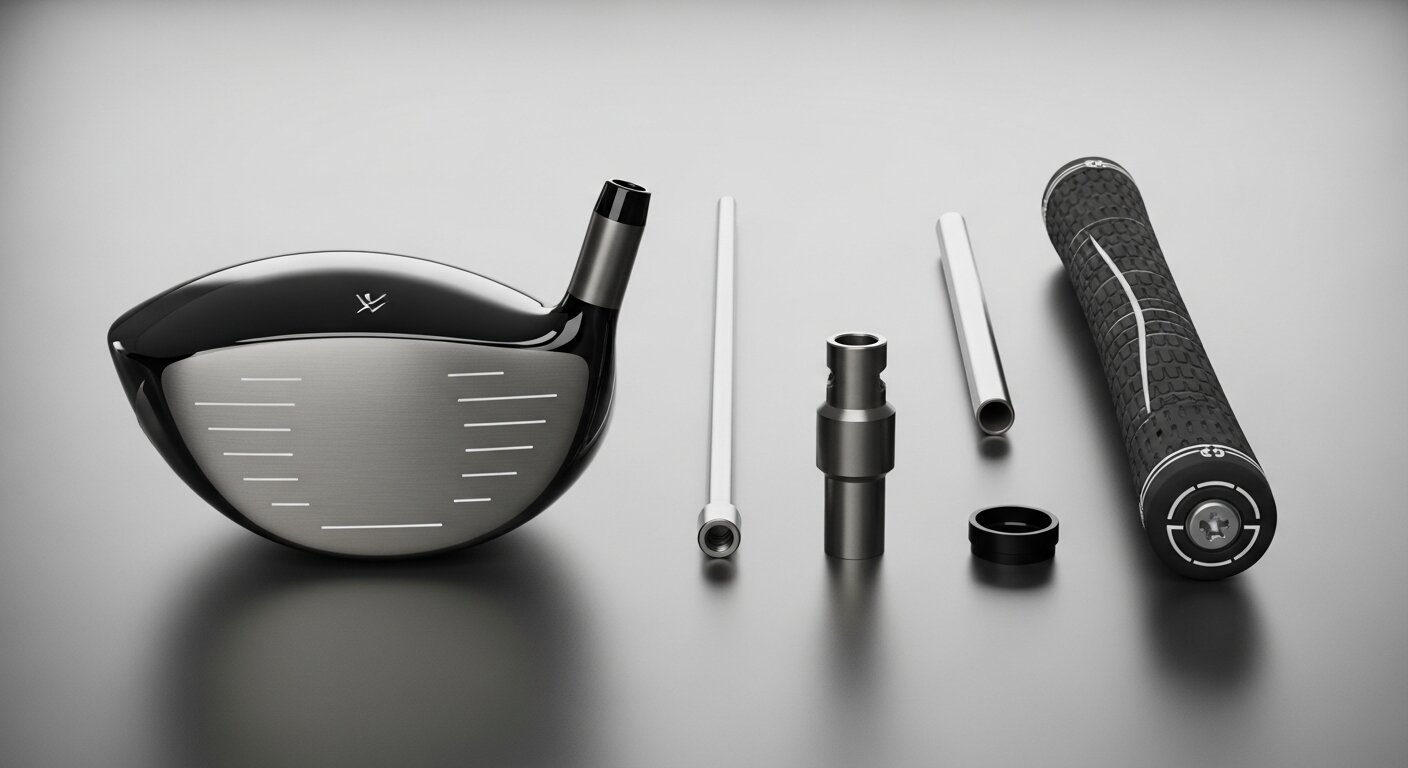
Creating a balanced golf club set begins with recognizing the unique role each club plays during a round. Today’s technology-driven designs provide specialized functions for driving off the tee, navigating challenging lies, and dialing in approach shots. By dissecting the main categories—woods, hybrids, irons, wedges, and putters—you’ll appreciate how each piece contributes to full bag performance. Industry standards and guidelines from the United States Golf Association (USGA) underscore the importance of accurate specifications in a golf club set.
Woods and Hybrids
Modern woods, including drivers and fairway models, feature large carbon crowns and low and deep center of gravity to maximize ball speed and provide forgiveness on off-center hits. Adjustable settings for loft, face angle, and weight shuffling let golfers fine-tune launch conditions based on swing dynamics. Hybrids merge attributes of woods and long irons, presenting a lower-profile head and wider sole that simplify turf interaction and elevate launch from tight lie or rough. Replacing a 3-iron or 4-iron with a hybrid can yield more consistent distance and enhanced playability for many players.
Irons and Wedges
Irons bridge the gap between fairway precision and scoring versatility. Numbered from 3 through 9, lower-lofted irons drive the ball farther, while higher-lofted short irons provide stopping power on greens. Cavity-back designs with perimeter weighting boost forgiveness for mid- and high-handicap golfers, whereas muscle-back or blade irons cater to low-handicap players seeking shot-shaping control. Wedges—pitching, gap, sand, and lob models—are crafted for specialized short-game situations. Various bounce angles and grind options influence spin generation and turf engagement, allowing players to customize wedges to their swing path and prevalent course conditions.
Putters
Accounting for nearly half of strokes during a typical round, the putter is often regarded as the most personal club in a golf club set. Blade putters deliver traditional feel and feedback, while mallet-style heads offer enhanced alignment cues and forgiveness through higher moment of inertia (MOI). Face-balanced designs suit straight-back-straight-through strokes, while toe-hang models complement arcs in stroke path. Testing different lengths, hosel configurations, and weighting schemes on a practice green will reveal which putter profile best instills confidence when rolling in crucial short-range putts.
The Value of Custom Club Fitting

Even top-tier clubs can underperform without proper specifications. Custom club fitting ensures that shaft flex, club length, grip size, and lie angle harmonize with your body measurements and swing characteristics. In today’s market, many golfers overlook fitting, yet it remains one of the most impactful investments in a golf club set. Accurate data from launch monitors and professional fitters translates into tighter shot dispersion, optimized launch conditions, and reduced compensations in your swing. Complementary insights from the Professional Golfers’ Association of America (PGA) reinforce the impact of precise measurements on performance outcomes.
Shaft Flex
Selecting the correct shaft flex is vital for acceptable ball flight and spin rates. Options range from ladies (L) to extra stiff (X). A shaft that is too flexible can lead to excessive spin and ballooning trajectories, whereas one that is too stiff tends to produce low-launch, under-spinning shots. During a fitting session, launch monitor measurements of swing speed and dynamic loft help pinpoint the flex rating that delivers ideal distance and control.
Grip Size
Grip diameter influences hand placement and wrist hinge, affecting both accuracy and shot shape. Golfers with smaller hands may activate undesirable wrist rotation with undersized grips, while excessively thick grips can dampen release and reduce distance. Professional fitters match grip thickness to your hand span and target feel, often encouraging custom oversize or undersize grips to enhance comfort and consistency.
Club Length
Standard club lengths assume average height and wrist-to-floor measurements, but deviations can hinder posture and swing plane. Shorter players typically benefit from slightly reduced lengths to maintain a balanced setup, and taller golfers may require extended shafts to avoid hunching. A fitting expert uses your height, arm length, and address posture to recommend length adjustments that promote efficient motion and solid contact.
Lie Angle
The lie angle determines the angle between the shaft and the sole when the club is grounded. If too upright or too flat relative to your swing, the face orientation at impact can cause consistent misses left or right. Using lie boards and impact tape, fitters identify correction needs and bend clubheads accordingly. Proper lie angles in a golf club set ensure square face contact and improved shot accuracy.
Budget Planning for Your Golf Club Set
Golf equipment investment ranges widely from more affordable starter sets to high-end custom collections. Establishing a budget for your golf club set is critical to balance features, performance gains, and long-term satisfaction. Below, we outline considerations for new versus used equipment, timing purchases, and how to maximize your return on investment in this sport.
New vs. Used Clubs
Purchasing new clubs provides access to the latest materials, adjustable technology, and factory warranties. Conversely, used clubs—especially certified pre-owned sets from reputable retailers—can deliver tremendous value at reduced cost. Websites and pro shops often inspect clubface wear, shaft integrity, and grip condition to certify quality. Many players find that one-season-old models with minimal wear fit their budget without sacrificing performance enhancements introduced in the latest lines.
Seasonal Deals and Model Year Savings
Retailers and manufacturers frequently offer discounts on last season’s golf club lines as they clear inventory to make room for new releases. Shopping at the end of a model year, or during holiday sales, can help you secure premium clubs at significant markdowns. Monitoring promotional windows through official brand sites—such as Titleist or Callaway—can lead to savings of 20% or more, enabling budget-conscious golfers to access advanced features that might otherwise exceed their spending plan.
Long-Term Value Considerations
While price often drives initial choices, considering long-term value is equally important. Durable clubhead materials, corrosion-resistant shafts, and replaceable grips extend the lifespan of your equipment. Investing in a well-fitted, high-quality golf club set may cost more up front but can reduce the frequency of upgrades and replacements. Additionally, consistent performance across varying course conditions can accelerate skill development, making the initial investment worthwhile for committed golfers.
Comparing Leading Golf Club Brands
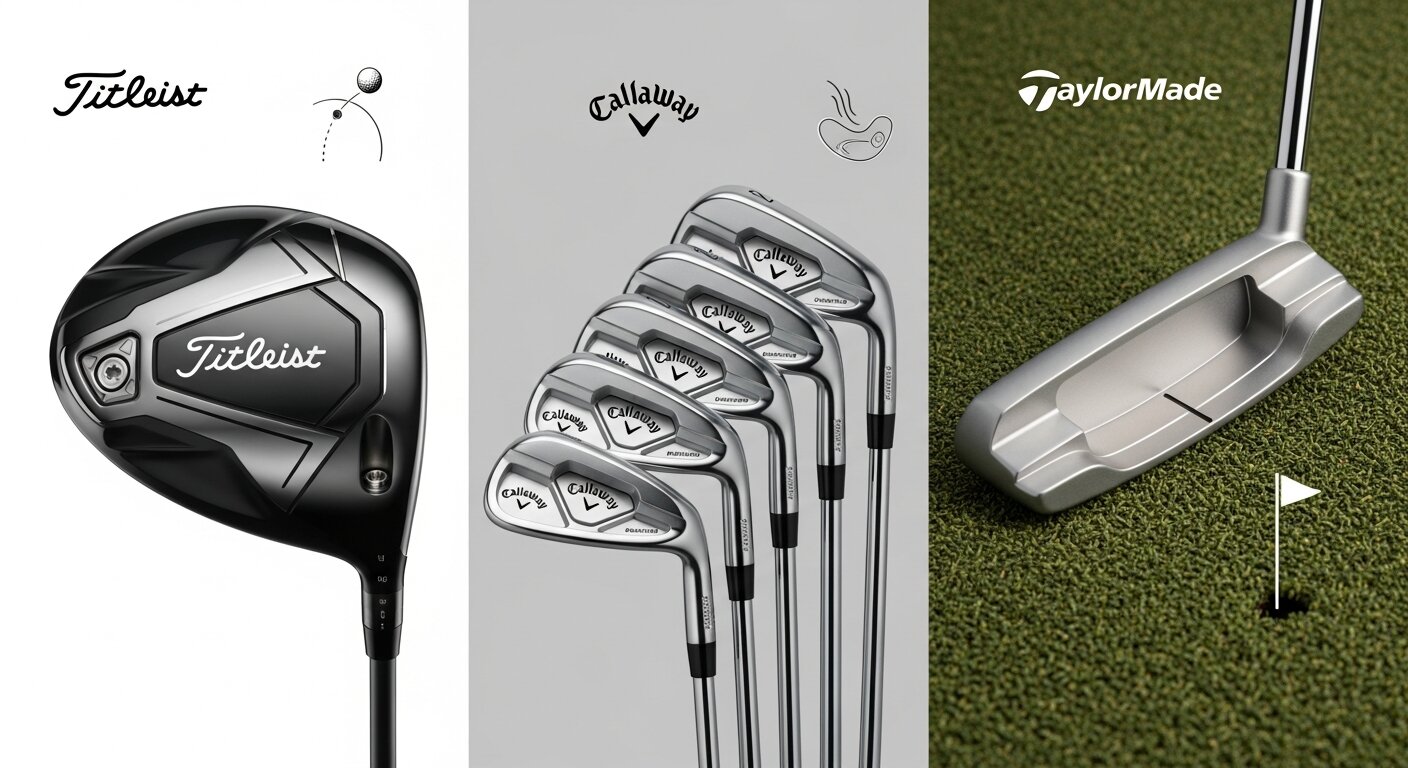
With a competitive landscape of manufacturers, selecting a golf club set often boils down to finding a brand philosophy and technology suite that aligns with your playing style. Today, leading names like Titleist, TaylorMade, Callaway, Ping, and Cobra dominate, while boutique labels continue gaining traction. Below, we compare core strengths and distinguishing innovations among these prominent players.
Titleist and TaylorMade
Titleist has long emphasized precision and traditional craftsmanship, appealing to low-handicap golfers who demand exacting shot control. Their irons often feature tour-inspired blade shapes and tight tolerance face milling. Titleist’s higher-end drivers incorporate Active Recoil Channel technology to enhance ball speed. TaylorMade, conversely, consistently pushes boundary-pushing innovation with adjustable weight ports, multi-material carbon constructions, and Twist Face face curvature designed to correct off-center strikes. Their SIM and Stealth driver families are especially popular with players seeking maximum distance and workability.
Callaway and Ping
Callaway’s reputation grew from its early driver breakthroughs and high-MOI fairway woods. Their Jailbreak technology, which stiffens the body behind the face, continues to drive ball speed. Callaway irons balance forgiveness and playability with wide soles and perimeter weighting. Ping, a pioneer in custom fittings, offers game-improvement irons known for consistent loft gaps and premium spin characteristics. Their adjustable-length driver shafts and proprietary Cor-Eye face technology support uniform ball speed across the hitting area. Ping’s focus on predictable performance makes their equipment a favorite among mid- to high-handicap players.
Cobra and Boutique Brands
Cobra stands out for bold aesthetics and user-friendly features, such as adjustable hosels and sliding weight tracks in drivers and fairway woods. Their hybrids and irons often incorporate progressive center of gravity placement to match loft and shaft lengths. Boutique brands—such as Miura, PXG, and Honma—offer luxury, hand-crafted options with limited production runs and premium materials. These labels cater to golfers willing to pay a premium for exclusivity, personalized service, and meticulous attention to detail.
Testing and Maintaining Your Golf Club Set
Once you’ve selected a potential golf club set, validating performance through real-world testing and adhering to maintenance best practices can dramatically extend its lifespan. Below, we explore effective evaluation methods and routine care strategies that ensure consistent reliability.
Demo Days and Launch Monitor Sessions
Many golf retailers, courses, and brand-sponsored events offer demo opportunities equipped with launch monitors such as TrackMan, FlightScope, or Foresight. These devices measure ball speed, launch angle, spin rate, and shot dispersion. By testing multiple driver, iron, and hybrid models back-to-back under controlled conditions, you can directly compare performance metrics. Gathering quantitative data eliminates guesswork and helps you pinpoint which club configurations deliver optimal distance and consistency.
Cleaning and Storage Techniques
Routine cleaning preserves club performance and appearance. After each round, rinse clubheads in warm water using a soft-bristled brush to remove dirt and grass from grooves. Wipe shafts and grips dry to prevent rust and material degradation. Store your clubs in a dry environment—ideally at room temperature—to avoid shaft warping and grip hardening. Using headcovers for woods and hybrids also protects them from impact damage during transport.
Routine Inspections and Adjustments
Periodically inspect grooves for wear, as reduced groove depth can impair spin and control around the greens. Replace grips when they become slick or show signs of cracking; doing so restores tackiness and promotes consistent hand placement. For adjustable clubs, recheck loft and lie settings at least once per season. If you notice performance changes or if you’ve altered your swing technique, schedule a follow-up fitting session to recalibrate specifications.
FAQ
How do I know which clubs to include in my initial set?
Choose a balanced mix of woods, hybrids, irons, wedges, and a putter based on your skill level. For beginners, prioritize forgiving clubheads and consider replacing long irons with hybrids for more consistent launch and distance.
Is it worth paying for a professional club fitting?
Yes. A custom fitting ensures shaft flex, length, lie angle, and grip size match your swing and physique, leading to more consistent performance and reduced compensations in your technique.
Should I buy new or used clubs as a beginner?
Consider certified pre-owned clubs to save on cost while still getting quality equipment. They are inspected, often come with warranties, and allow you to invest savings into future upgrades or fittings.
