
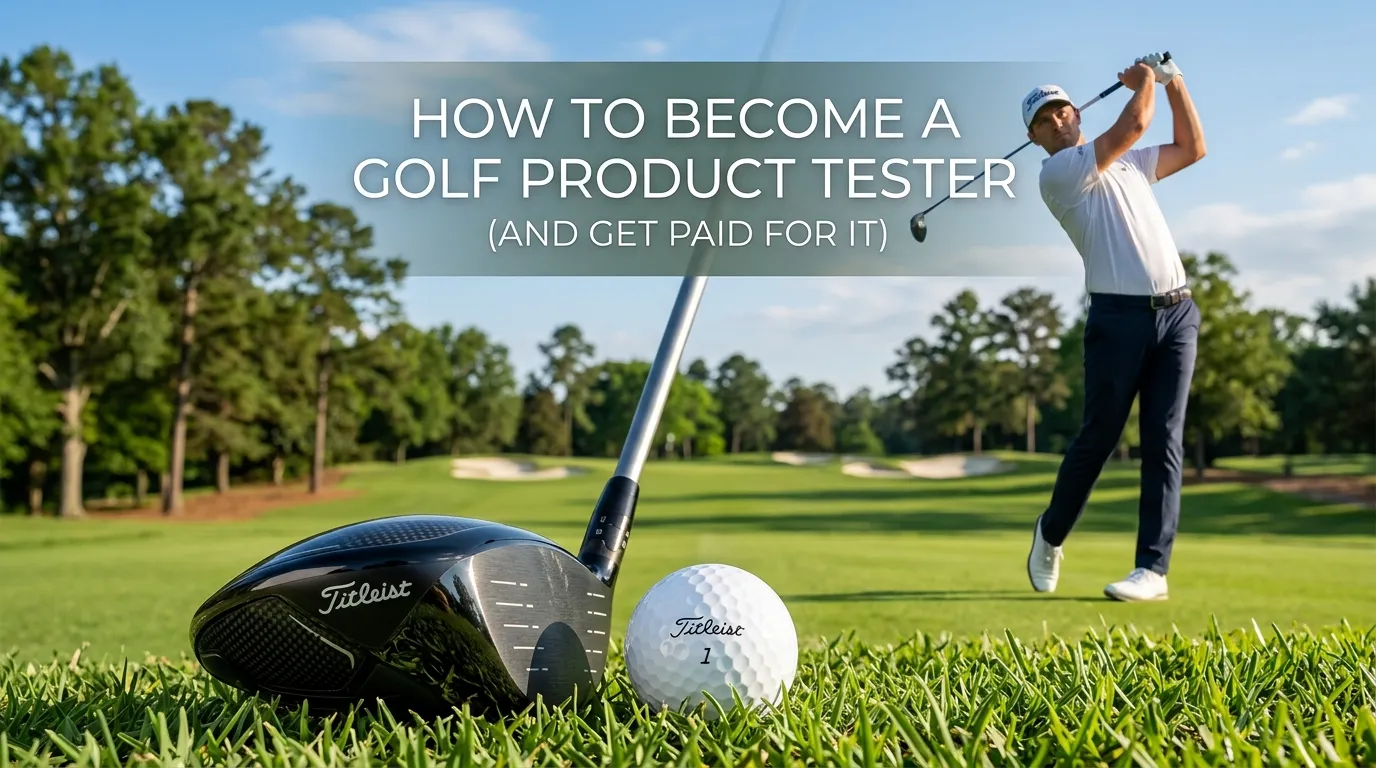
Golf product testers evaluate equipment—clubs, balls, apparel, and accessories—on behalf of manufacturers, retailers, and review platforms. You can find paid opportunities through brand ambassador programs, gear review websites, golf influencer networks, and remote equipment testing roles. No professional golf career required.
You already spend hours on the course analyzing your swing, debating shaft flex, and comparing ball compression ratings with your playing partners. What if someone paid you to do exactly that?
Golf product testing is a legitimate and growing field. As equipment manufacturers compete for attention in a crowded market, they need real golfers—not just tour professionals—to evaluate their gear, provide feedback, and share honest reviews. That demand has created a wide range of opportunities for everyday golfers to get involved, from structured paid testing programs to influencer partnerships and remote review roles.
This guide covers everything you need to know: what golf product testers actually do, how to land your first opportunity, which programs and platforms are worth your time, and how to build credibility as a reviewer in a competitive space.
What Does a Golf Product Tester Actually Do?
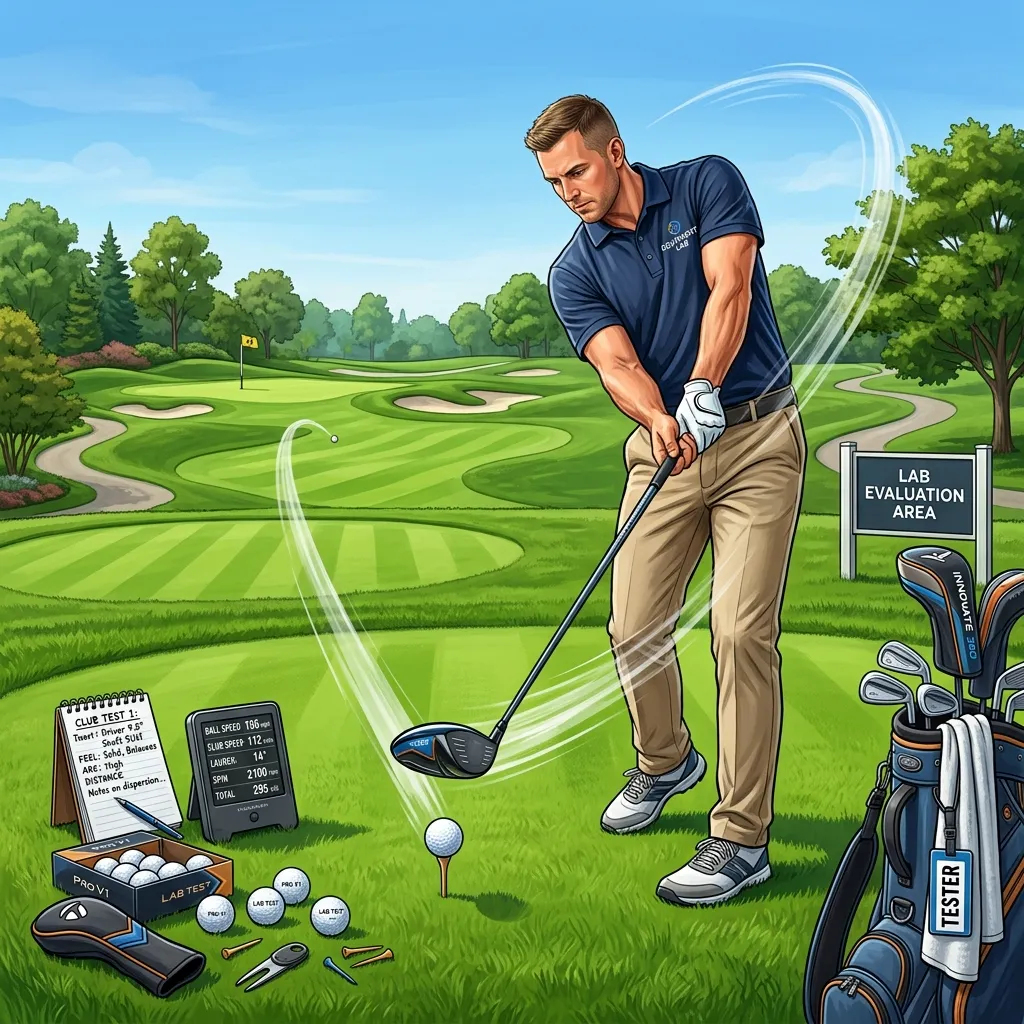
Golf product testers evaluate equipment and apparel before or after a product goes to market. The scope of the role varies depending on the employer, but most testing assignments involve some combination of the following:
- On-course or range testing: Hitting clubs, balls, or using accessories under real playing conditions and documenting performance data
- Written or video reviews: Providing structured feedback on feel, forgiveness, distance, aesthetics, and value
- Comparison testing: Evaluating a new product against a competitor or a previous model
- Survey responses: Completing detailed questionnaires about your experience with a product
Some roles are highly structured—you’ll receive a test protocol, specific metrics to record, and a submission deadline. Others are more flexible, particularly influencer-style opportunities where you document your experience through social media or a personal blog.
The key skill isn’t a low handicap. Manufacturers want testers who can communicate clearly and specifically. Saying “this driver felt powerful” is far less useful than “the impact sound was muted and solid, and I picked up approximately 8 yards of carry compared to my current gamer.”
What Types of Golf Product Testing Opportunities Are Available?
Paid Golf Product Testing Programs Through Brands
Major golf equipment manufacturers—including Callaway, TaylorMade, Titleist, PING, and Cobra—run consumer testing programs at various stages of product development. These programs typically recruit golfers across a range of handicaps, ages, and swing speeds to ensure feedback reflects the broader market.
Paid opportunities from direct brand programs tend to be more selective and often require you to apply through official channels or be referred. Compensation may come in the form of cash, free equipment, or both.
Golf Gear Review Websites and Tester Programs
Several independent golf media and review platforms actively recruit everyday golfers to contribute reviews and feedback. Sites like MyGolfSpy, Golf Digest, and Golf Monthly have run formal tester programs that provide readers with gear in exchange for structured reviews.
MyGolfSpy, in particular, is known for its data-driven approach to equipment testing. The platform uses independent testers rather than manufacturer-supplied data, which has built a strong reputation for objectivity. Getting involved with platforms like this is one of the most credible ways to establish yourself as a golf equipment reviewer.
Remote Golf Equipment Review Jobs
Remote testing roles are increasingly common, particularly for written reviews, video content, and data entry. A golfer based in Arizona can test a waterproof jacket, film a review, and submit it to a UK-based publication without ever leaving their home state.
Freelance writing platforms, golf media companies, and content agencies regularly post remote golf equipment review jobs. These roles typically require some writing experience and a demonstrated understanding of golf equipment, but don’t necessarily require formal credentials.
Golf Gear Influencer Testing Opportunities
Brands allocate a significant portion of their marketing budgets to influencer partnerships. Golf influencers on YouTube, Instagram, and TikTok receive equipment to test and review in exchange for content. The threshold for entry has dropped considerably—micro-influencers with audiences of 2,000 to 10,000 engaged followers often receive product seeding from mid-tier and emerging brands.
If you already create golf content online, this is one of the more accessible paths into product testing. The tradeoff is that influencer partnerships are rarely “paid” in the traditional sense—you receive product rather than a fee, at least until your audience grows to a point where brands will pay for placements.
Golf Club Testing and Feedback Programs at Fitting Centers
Some custom fitting centers and retail chains run structured club testing programs. These are typically conducted in-store or on a simulator and involve golfers hitting prototype clubs or pre-release equipment to help brands refine specifications before a full launch. Compensation varies, but participants often receive discounts or early access to the product.
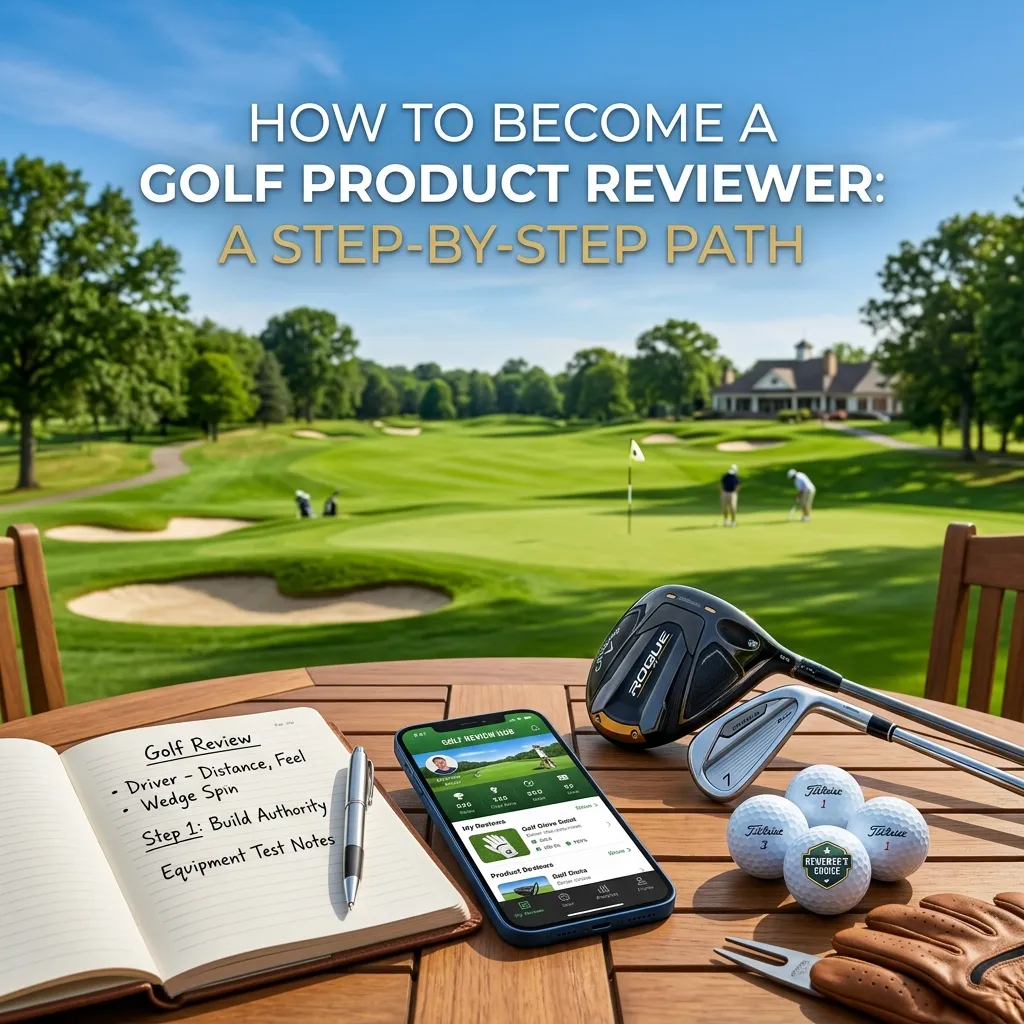
How to Become a Golf Product Reviewer: A Step-by-Step Path
Step 1: Build a Clear Golfer Profile
Before applying for any testing program, know your numbers. Manufacturers want specific information: your handicap index, average driver swing speed, typical ball flight, and the equipment you currently play. The more precisely you can describe your game, the easier it is for a brand to determine whether you fit their target tester demographic.
If you don’t already have a verified handicap through the USGA or your national golf association, getting one is worthwhile. It lends credibility to your applications and ensures your feedback is contextualized accurately.
Step 2: Start Creating Reviews on Your Own
The fastest way to get noticed by brands and platforms is to demonstrate that you already know how to evaluate and communicate about equipment. Start a blog, a YouTube channel, or even a detailed Instagram account focused on golf gear reviews.
You don’t need expensive production equipment. Clear lighting, steady footage, and articulate commentary will outperform flashy visuals with no substance. Focus on being specific: talk about how a club performs on mis-hits, how a shoe’s traction holds up on wet grass, or how a rangefinder’s display reads in bright sunlight.
Step 3: Apply to Established Tester Programs
Once you have a portfolio of reviews—even just three to five pieces—start applying to formal programs. Key places to look:
- MyGolfSpy’s tester program: Applications are typically opened annually and attract a large number of applicants. Having a track record of detailed, honest reviews will help your application stand out.
- Golf Digest Hot List testing: Golf Digest recruits consumer testers for its annual equipment rankings. Watch for open applications, typically posted in late summer or fall.
- Brand ambassador programs: Follow major and boutique golf brands on social media and sign up for their newsletters. Many announce tester and ambassador opportunities directly to their audiences before advertising elsewhere.
Step 4: Pitch Directly to Smaller Brands
Emerging golf brands are often more accessible than established manufacturers. A well-written pitch email to a boutique club maker or a direct-to-consumer golf apparel brand can open doors that larger companies can’t easily provide.
Your pitch should be concise. Introduce yourself, describe your golfer profile, reference any existing reviews or content, and explain specifically what you can offer—whether that’s a written review for your blog, a video for your YouTube channel, or structured feedback submitted directly to their product team.
Step 5: Build Relationships Within the Golf Community
Golf is a relationship-driven industry. Attending demo days, local golf expos, and trade events like the PGA Show (held annually in Orlando) puts you in the same room as brand representatives, product managers, and other reviewers. These interactions don’t always lead to immediate opportunities, but they build the kind of familiarity that accelerates future ones.
Online communities matter too. Active participation in forums like GolfWRX—one of the most respected golf equipment communities—can raise your profile among both fellow golfers and industry insiders who monitor those discussions.
What Makes a Golf Product Tester Stand Out?
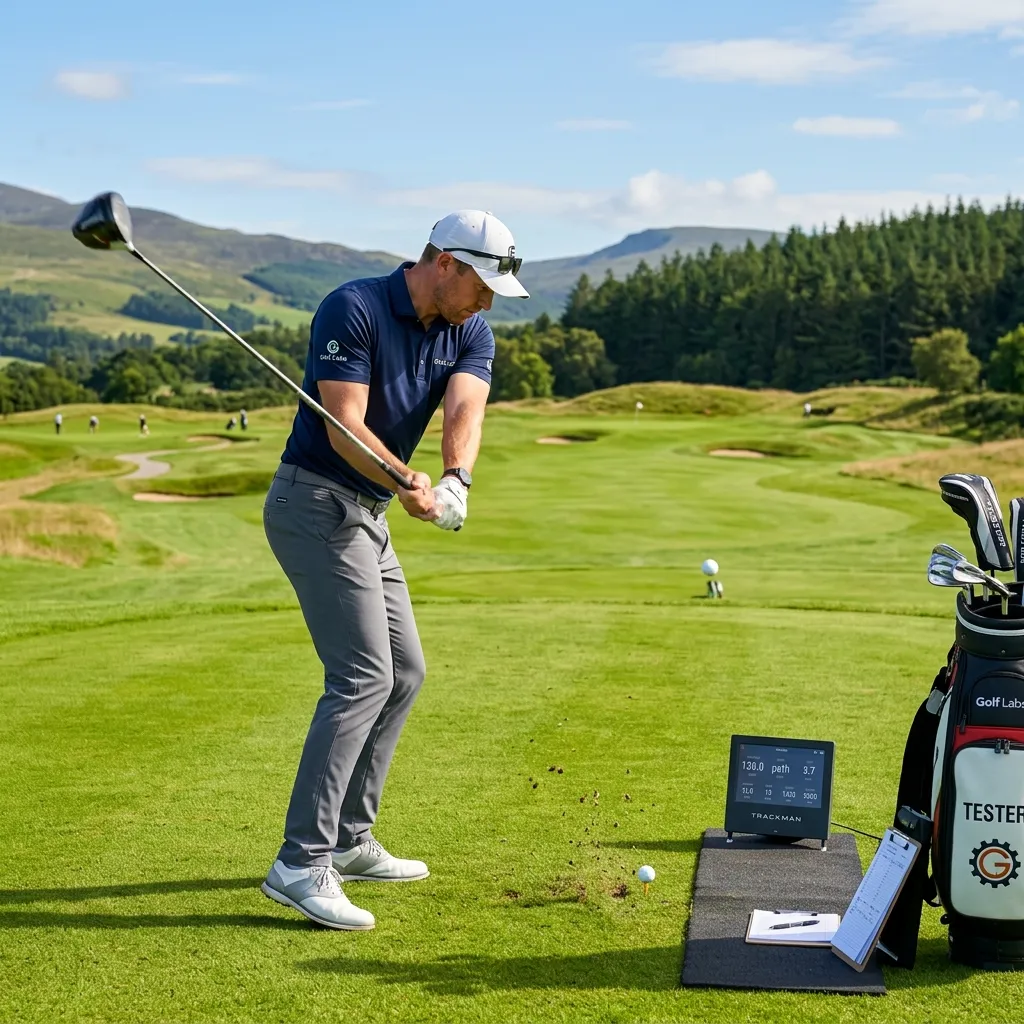
Getting access to gear is one thing. Getting invited back—and eventually getting paid—requires a different level of commitment.
The reviewers and testers who build lasting relationships with brands share a few common traits:
Specificity over enthusiasm. “This wedge is incredible” helps no one. Describing how the club performs from tight lies versus fluffy rough, and how spin rates change between full shots and chips, is the kind of feedback product teams actually use.
Honesty, including the negatives. Brands genuinely value critical feedback during development stages. And readers trust reviewers who acknowledge flaws. A tester with a reputation for balanced, honest assessments is far more valuable—commercially and editorially—than one who praises everything.
Consistency. Submitting reviews on time, responding to follow-up questions, and showing up for scheduled testing sessions builds a reputation for reliability that keeps you at the top of a brand’s list when new opportunities open up.
Golf Equipment Trial and Testing Opportunities Worth Knowing About
Beyond the major programs, a few additional avenues are worth exploring:
- Golf Monthly Gear Lab: The UK-based publication runs ongoing equipment tests and occasionally recruits reader testers
- True Spec Golf: The premium custom fitting network hosts testing days for new equipment, often with manufacturer representatives present
- Worldwide Golf Shops: Retail chains periodically run in-store demo and feedback programs, sometimes with compensation or purchase credits
- GolfWRX Forum Testing Threads: Brands occasionally post directly in the forum looking for testers among the engaged community
Is Golf Product Testing Worth Pursuing?
For golfers who already love analyzing equipment, the answer is straightforward. Even unpaid testing opportunities provide free access to gear, deepen your understanding of how equipment works, and build skills—communication, analysis, content creation—that have real professional value.
Paid opportunities become more realistic as your reputation grows. Freelance golf equipment review roles, structured brand ambassador programs, and sponsored content deals are achievable for golfers who invest in building a credible, consistent presence over time.
The path isn’t instant, but it’s more accessible than most people assume. The golf equipment industry is actively looking for articulate, knowledgeable everyday golfers to help them connect with their customers. With the right profile, the right approach, and a genuine passion for the game, that golfer could be you.
Frequently Asked Questions
Do I need to be a low-handicap golfer to become a product tester?
No. Most brands accept golfers across all skill levels. What matters more is your ability to clearly describe your experience, provide honest feedback, and explain how the equipment performs for your game.
Are golf product testing jobs actually paid?
Some opportunities are paid, especially freelance or influencer-based roles. However, many entry-level testing programs compensate with free golf equipment instead of cash while you build experience and credibility.
How do I find golf equipment review jobs remotely?
You can search on job platforms like LinkedIn, Indeed, and Glassdoor using terms such as “golf product reviewer,” “golf content creator,” or “equipment tester.” Golf media sites and agencies also regularly post remote opportunities.
Can I become a golf gear tester without a social media following?
Yes. Many testing programs focus on golfer profile, skill level, and feedback quality rather than follower count. Social media is only essential if you’re aiming for influencer-style brand partnerships.
How do I apply to MyGolfSpy tester program?
MyGolfSpy usually opens applications periodically through its website and email list. The best way to stay updated is to subscribe to their newsletter and follow their official announcements.
What’s the difference between a golf brand ambassador and a product tester?
A product tester evaluates golf equipment and provides detailed feedback to help improve products. A brand ambassador, on the other hand, promotes the brand publicly through content, events, and marketing activities.
