

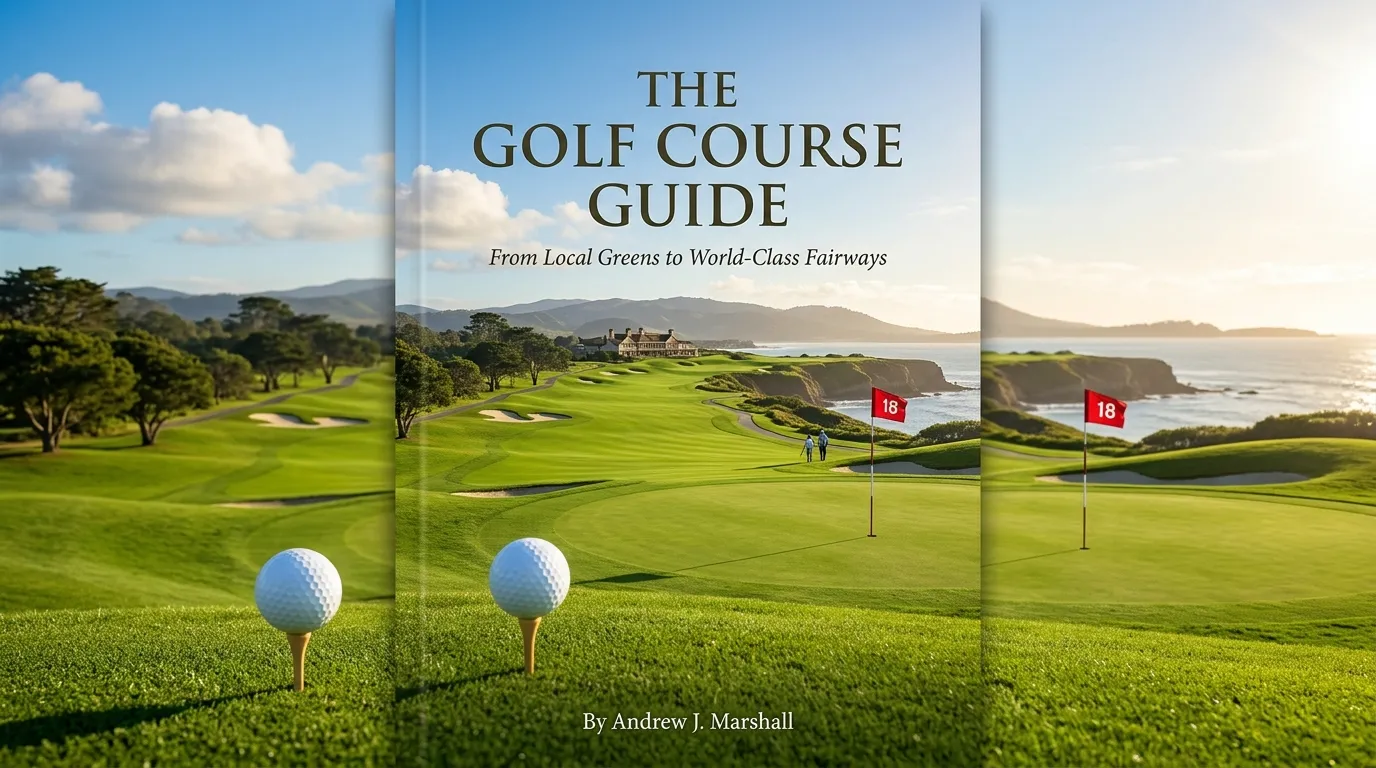
Finding the right golf course depends on your skill level, budget, and goals. This guide covers everything from affordable public courses for beginners to championship venues used by professionals—helping you find the best golf course for your game, wherever you are.
Golf is one of the few sports where the venue is part of the experience. A round at a well-designed course—whether a budget-friendly municipal layout or a clifftop links overlooking the Pacific—can be as memorable as the scorecard. But with tens of thousands of golf courses around the world, knowing where to start can feel overwhelming.
This guide breaks down every major type of golf course, from beginner-friendly public tracks to luxury resort destinations and storied championship venues. Whether you’re searching for “golf courses near me” or planning a bucket-list golf trip abroad, here’s everything you need to know before you tee off.
How to Find the Best Golf Courses Near You

The fastest way to find golf courses near you is through dedicated platforms like GolfNow, Golf Advisor, or the PGA’s course finder tool. Google Maps is also surprisingly effective—search “18-hole golf courses near me” and filter by rating to surface well-reviewed options quickly.
When evaluating local courses, consider:
- Green fees: What does a round cost on weekdays vs. weekends?
- Course condition: Are the fairways maintained? Are the greens true?
- Facilities: Does the club offer a driving range, rental clubs, or a pro shop?
- Tee time availability: Some courses book out weeks in advance, especially on weekends.
User reviews on platforms like Yelp, TripAdvisor, and Google are your best source of honest, up-to-date information on course conditions and overall experience.
What Are the Top-Rated Golf Courses by Region?
Course rankings vary by source, but publications like Golf Digest and Golf Magazine publish annual “Top 100” lists that serve as reliable benchmarks. These rankings factor in design quality, conditioning, setting, and overall experience.
Some consistently top-rated courses by region include:
- United States: Pebble Beach Golf Links (California), Augusta National Golf Club (Georgia), Pinehurst No. 2 (North Carolina)
- United Kingdom & Ireland: St Andrews Links (Scotland), Royal County Down (Northern Ireland), Muirfield (Scotland)
- Australia: Royal Melbourne Golf Club, Kingston Heath Golf Club
- Asia: Hirono Golf Club (Japan), Mission Hills Golf Club (China)
Many of these courses are private or require a tee time well in advance, but several—like Pebble Beach and St Andrews—are open to the public, making them genuinely accessible for dedicated golfers.
Public Golf Courses: What to Expect and What You’ll Pay
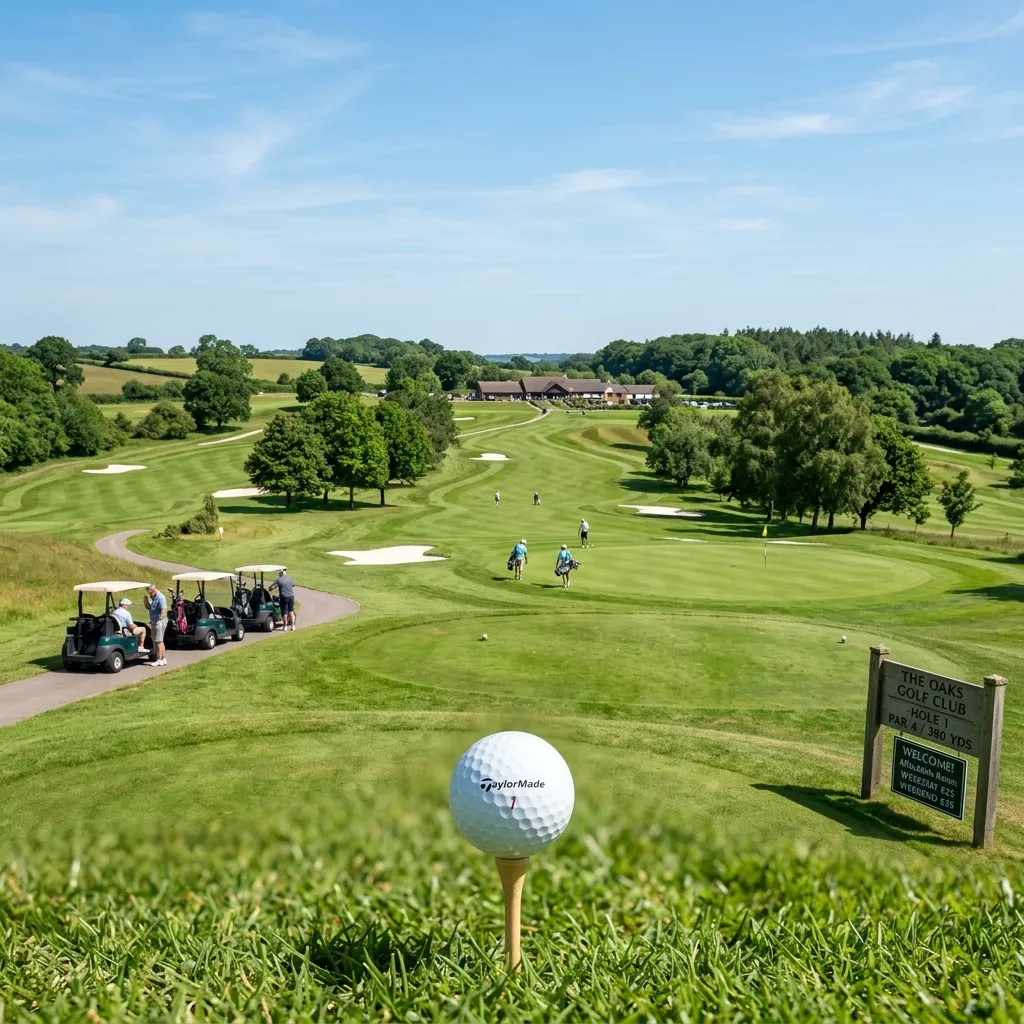
Public golf courses are open to anyone without a membership, making them the most accessible entry point for recreational golfers. Green fees at public courses vary significantly depending on location, prestige, and time of day.
Average green fee ranges in the US:
- Municipal courses: $20–$50 per round
- Daily-fee public courses: $50–$150 per round
- Resort-affiliated public courses (e.g., Pebble Beach): $500–$600+ per round
Booking tee times in advance—especially for weekend mornings—is strongly recommended at most public courses. Many offer discounted rates for twilight rounds (typically after 3 pm), which is a smart way to play premium tracks at a fraction of the standard price.
Luxury Golf Resorts: What Makes Them Worth the Price?
Luxury golf resorts combine world-class course design with high-end accommodations, spa facilities, and fine dining—creating an all-encompassing golf destination. These resorts are popular for golf trips, corporate retreats, and special occasions.
Notable luxury golf resorts worldwide include:
- Bandon Dunes Golf Resort (Oregon, USA): Five distinct courses set on dramatic coastal cliffs, widely regarded as one of the finest golf destinations in the world.
- The Old Course Hotel (St Andrews, Scotland): Situated beside the famous Road Hole on the Old Course, offering unparalleled access to the home of golf.
- One&Only Palmilla (Los Cabos, Mexico): A Jack Nicklaus-designed course with sweeping views of the Sea of Cortez.
- Emirates Golf Club (Dubai): Host of the DP World Tour Championship, combining desert landscape with lush, manicured fairways.
At these properties, expect green fees and resort packages to range from $300 to over $1,000 per person, per night. The experience, however, goes far beyond golf.
Championship Golf Courses: The Venues That Define the Sport
Championship golf courses are designed and built to host elite professional tournaments. They must challenge the world’s best players while remaining visually compelling for spectators and television audiences.
Key characteristics of championship-caliber courses include:
- Length: Most championship courses stretch beyond 7,000 yards from the tournament tees.
- Strategic design: Bunkering, water hazards, and green undulation create multiple risk-reward decisions per hole.
- Crowd management: Wide spectator corridors and viewing areas are incorporated into the design.
Courses that regularly host major championships include Augusta National (The Masters), Royal St George’s (The Open Championship), Torrey Pines (US Open), and Kiawah Island’s Ocean Course (PGA Championship). Many of these venues offer limited public access or host members’ days outside of tournament windows.
Affordable Golf Courses for Beginners: Where to Start

New golfers don’t need to spend big to get started. Affordable public and municipal courses offer forgiving layouts, relaxed atmospheres, and lower green fees that make the learning process enjoyable rather than stressful.
When choosing a course as a beginner, look for:
- Par-3 or executive courses: Shorter layouts with fewer hazards, ideal for building confidence.
- On-site driving ranges: Practice facilities help you warm up and improve between rounds.
- Club rental options: Most beginner-friendly courses offer rental sets so you don’t need to invest in equipment upfront.
- Lessons: Many municipal courses have PGA-certified teaching professionals who offer group or individual lessons.
Searching for “affordable golf courses near me” or “beginner golf courses in [your city]” on GolfNow will surface options with transparent pricing and tee time availability.
Golf Course Design and Layout: What Separates a Good Course from a Great One
Great golf course design is part architecture, part psychology. The best designers—including legends like Alister MacKenzie, Pete Dye, and Jack Nicklaus—create courses that reward strategic thinking just as much as raw power.
Key elements of outstanding course design include:
- Routing: How the 18 holes flow across the landscape, taking advantage of natural terrain features like ridges, water, and elevation changes.
- Variety: A mix of short, strategic par-4s alongside longer, power-focused holes keeps rounds engaging.
- Greens complexity: Subtle slopes, tiers, and surrounding bunkering create multiple pin positions and test putting skills.
- Risk-reward holes: The most memorable holes offer a clear choice—play safe and accept a harder second shot, or take on a more challenging line for a potential birdie.
MacKenzie’s Augusta National and Cypress Point, and Pete Dye’s TPC Sawgrass (home of the famous island green 17th), are frequently cited as masterclasses in course design.
Scenic Golf Courses with Ocean Views: The Most Beautiful Tracks in the World
Few things in sport match the experience of playing a golf hole with an ocean backdrop. Coastal and links courses combine natural drama with genuine strategic challenge, often exposed to wind that adds an unpredictable element to every round.
The world’s most scenic ocean-view courses include:
- Pebble Beach Golf Links (California, USA): Eight holes border the Monterey Peninsula’s rugged coastline.
- Cabot Cliffs (Nova Scotia, Canada): Consistently ranked among the world’s top 10 courses, with dramatic clifftop holes above the Atlantic.
- Cape Kidnappers (Hawke’s Bay, New Zealand): Perched on dramatic cliffs above the Pacific Ocean, accessible only by tractor.
- Cabo del Sol (Los Cabos, Mexico): An ocean-view course designed by Jack Nicklaus, featuring the famous “Devil’s Corner” stretch along the Sea of Cortez.
These courses prioritize the visual experience as much as the game itself—making them worth the trip regardless of what you shoot.
Golf Courses for Professional Tournaments: What the Pros Demand
Professional tournament venues go through meticulous preparation before any elite event. Course superintendents tighten fairways, firm up greens, and position holes to maximize difficulty—transforming tracks that might play to a 72 for a recreational golfer into a 70-over-par challenge for the world’s best.
The most prestigious tournament venues include:
- Augusta National Golf Club – Host of The Masters since 1934
- St Andrews Old Course – Frequent host of The Open Championship
- Oakmont Country Club – Has hosted more combined USGA championships than any other course
- TPC Sawgrass – Annual host of The Players Championship, often called the “fifth major”
Access to these venues outside of tournament windows varies. St Andrews Old Course, for instance, offers public tee times via a daily ballot system—giving everyday golfers a genuine shot at playing history.
The Right Course for Every Kind of Golfer
Golf’s greatest strength is its diversity. The sport accommodates beginners playing a nine-hole municipal layout on a Tuesday afternoon just as comfortably as it hosts professionals competing for major titles at Augusta. Choosing the right course comes down to matching your expectations—skill level, budget, and experience goals—with what each venue genuinely offers.
Start local, play often, and gradually work your way toward the courses on your bucket list. The game rewards patience, and so do the venues. Whether your goal is breaking 100 on a public track or standing on the 18th at Pebble Beach, there’s a golf course built for exactly where you are in your journey.
Frequently Asked Questions About Golf Courses
How do I find the best golf courses near me?
Use platforms like GolfNow, Golf Advisor, or Google Maps and search for “18-hole golf courses near me.” Filter by rating and read recent user reviews for accurate information on course conditions and green fees.
What is the average green fee at a public golf course in the US?
Green fees at US public courses typically range from $20–$50 at municipal courses to $50–$150 at daily-fee courses. Premium public courses like Pebble Beach can charge $500 or more per round.
What is the difference between a public and private golf course?
Public golf courses are open to all players without a membership. Private golf courses require membership or an invitation from an existing member. Some courses operate as semi-private, offering public tee times outside of peak hours.
Are luxury golf resorts worth the cost?
Luxury golf resorts offer a combination of world-class courses, high-end accommodations, and premium service. For golfers who prioritize a complete destination experience, the premium is often justified—particularly for special occasions or group trips.
Which golf courses host the most professional major championships?
Augusta National (The Masters), St Andrews Old Course (The Open Championship), and Oakmont Country Club (US Open) are among the most historic major championship venues in professional golf.
What should beginners look for in a golf course?
Beginners should prioritize shorter layouts (par-3 or executive courses), courses with on-site driving ranges, club rental options, and access to teaching professionals. Affordable municipal courses are generally the best starting point.
How do I find golf courses near me?
Use tools like Google Maps, GolfNow, or Golf Advisor and search “golf courses near me” for nearby options and reviews.
What is the difference between public and private golf courses?
Public courses are open to everyone, while private courses require membership or an invitation.
How much does it cost to play at a golf course?
Public course fees usually range from $20 to $150, while luxury resorts can cost $300 or more per round.
What is the best type of golf course for beginners?
Beginner-friendly courses include par-3, executive, and municipal golf courses with simple layouts.
Are expensive golf courses better?
Not always—higher prices often reflect location and facilities, not necessarily better playing experience.
What should I look for in a good golf course?
Check course condition, difficulty level, green fees, facilities, and user reviews before booking.
Can I play at championship golf courses?
Some are open to the public, but many require advance booking or special access.
What makes a golf course challenging?
Length, bunkers, water hazards, wind conditions, and complex greens increase difficulty.
How many holes are in a standard golf course?
Most standard golf courses have 18 holes, though some beginner or practice courses have 9.
Do all golf courses offer rental equipment?
Many public and beginner-friendly courses offer club rentals, but availability varies by location.
