

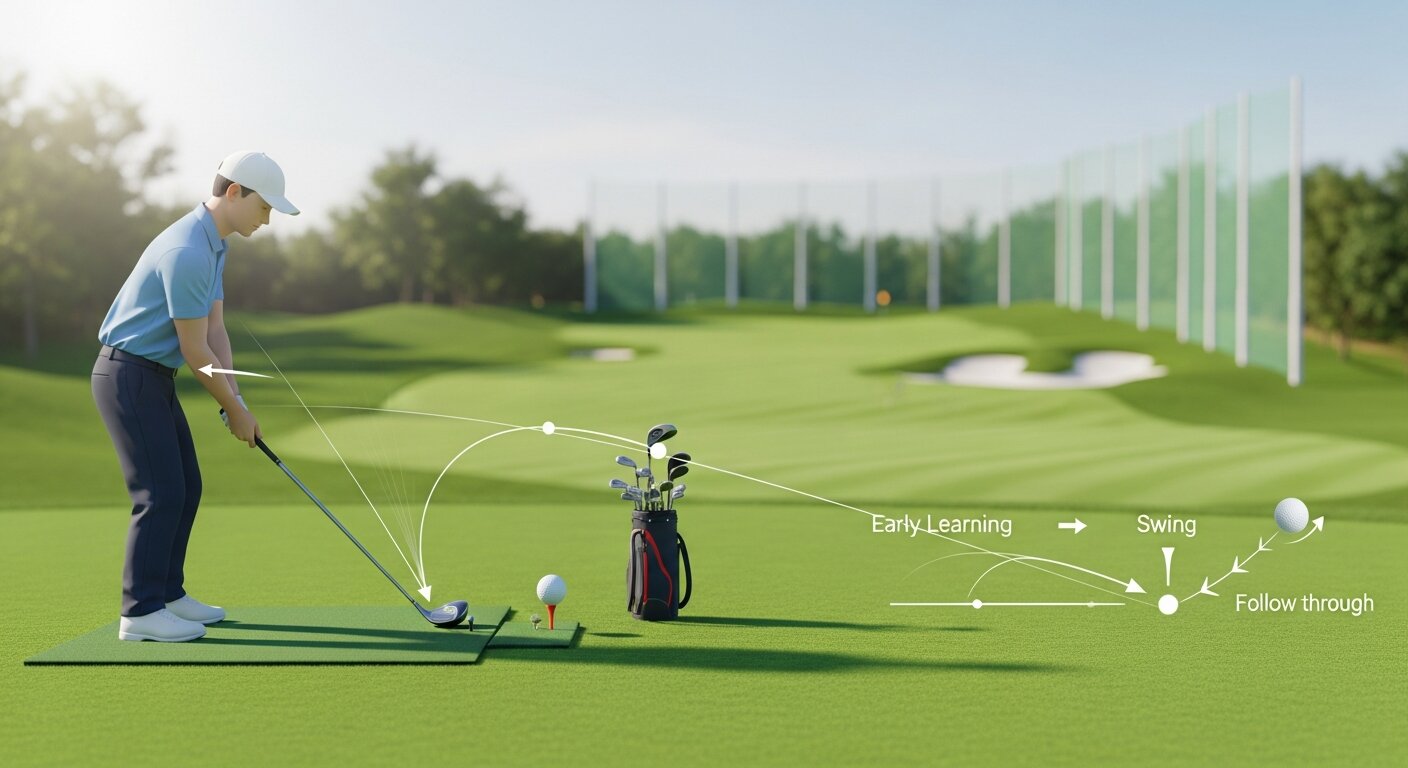
Starting out in golf is an exciting endeavor that challenges both your mind and body. Learning the ropes requires patience, practice, and the right guidance to help you navigate the fairways. If you are looking for the best tips for beginners golf, you are in the right place.
Building a strong foundation early on makes the game much more enjoyable. This guide covers everything you need to know, from taking your very first swing to understanding course etiquette. Let us break down the essentials so you can step onto the tee box with confidence.
Beginner Golf Tips for New Players
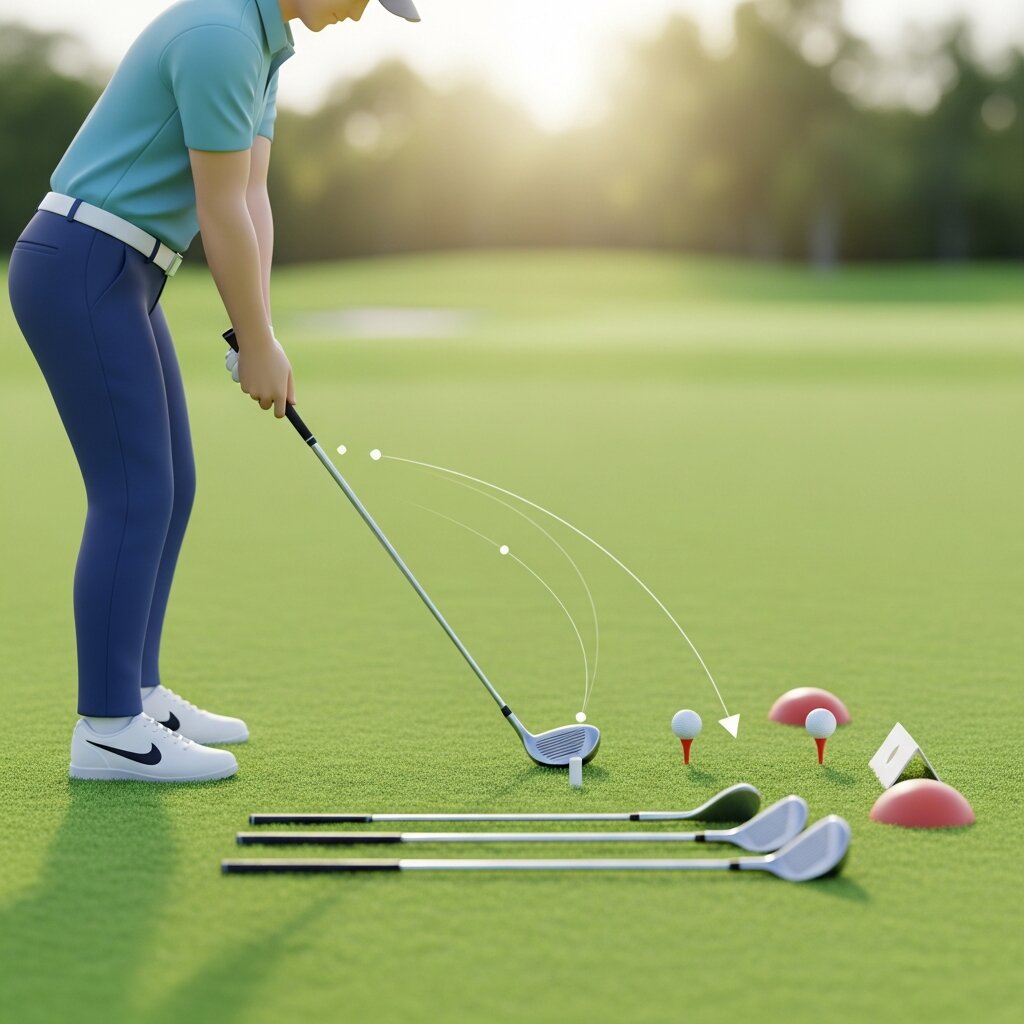
The most effective Tips for Beginners Golf always start with building a strong foundation instead of rushing into advanced play. Golf is a skill-based game, and early habits matter a lot. Beginners should first understand the purpose of each club—drivers for long-distance tee shots, irons for controlled fairway play, wedges for short and high-precision shots, and putters for finishing on the green. Instead of trying to play full 18-hole rounds immediately, spend focused time at a driving range where you can repeat swings, observe results, and slowly build consistency. Repetition is what turns awkward swings into natural movement over time.
How to Start Playing Golf for Beginners
Getting started in golf should feel simple and stress-free. One of the most practical Tips for Beginners Golf is to avoid overinvesting in expensive equipment at the beginning. A basic or rented club set is more than enough while you learn the fundamentals. This allows you to experiment and understand your playing style before making long-term decisions. Taking even a few lessons from a certified golf instructor can dramatically improve your progress because they correct small mistakes early—especially in grip, stance, and swing path. Beginners should also practice on driving ranges or par-3 courses where the focus is learning rather than scoring.
Basic Golf Swing Tips for Beginners
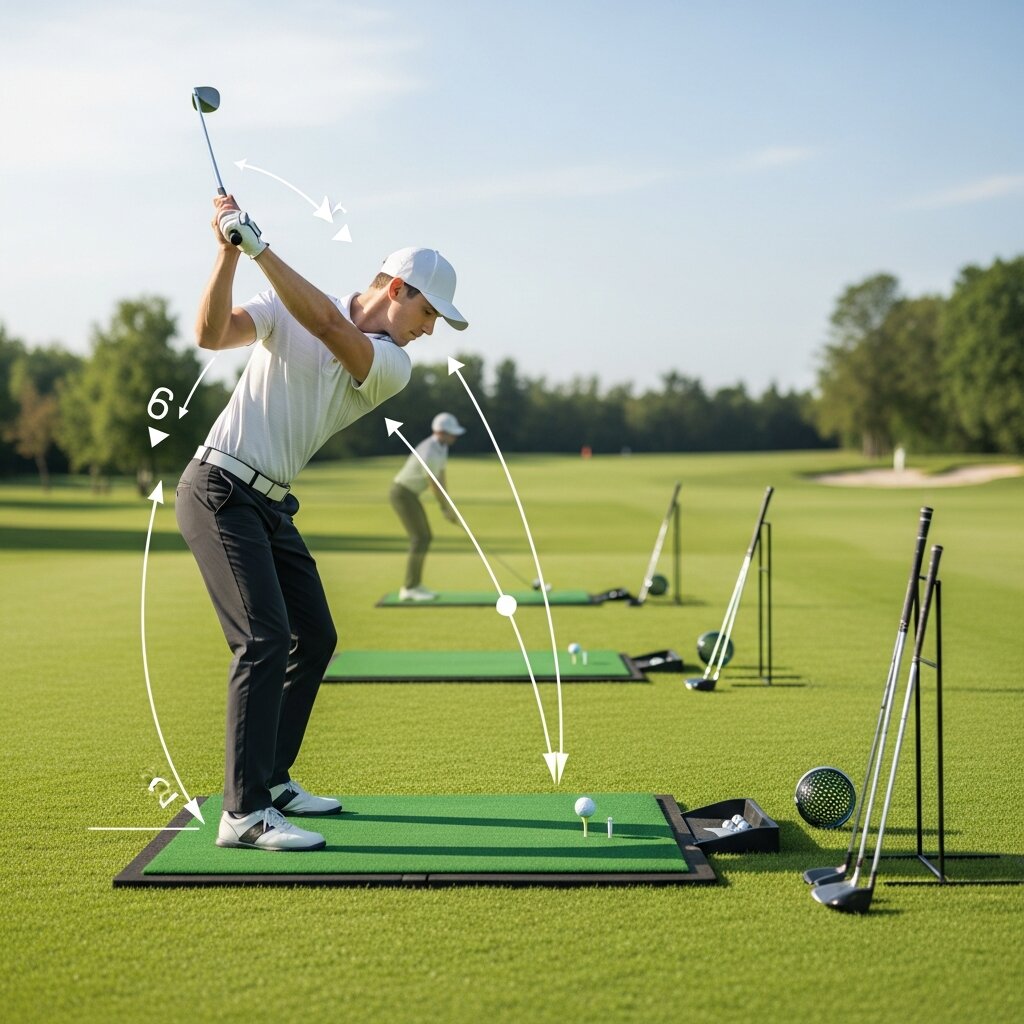
The golf swing is often the most challenging part for new players, but it becomes easier with the right approach. A key Tips for Beginners Golf principle is focusing on rhythm and control rather than strength. Many beginners try to hit the ball too hard, which usually leads to poor balance and inconsistent contact. Instead, keep your eyes locked on the ball, maintain a relaxed grip, and allow your body to rotate naturally through the swing. A smooth backswing and controlled follow-through help improve accuracy and reduce common errors like slicing or topping the ball. Practicing slow-motion swings can also help you understand proper movement.
Golf Driving Tips for Beginners
The driver is one of the most exciting yet difficult clubs to master. A strong Tips for Beginners Golf focus is understanding setup and posture before even swinging. Position the ball slightly forward in your stance near your lead heel and tee it at a height where half the ball sits above the clubface. Instead of hitting downward, think of sweeping the ball off the tee with a wide arc. Keeping your shoulders relaxed and avoiding tension in your arms helps generate more natural power. Beginners should prioritize control first, then gradually work on increasing distance as consistency improves.
Golf Etiquette for New Golfers
Understanding golf etiquette is just as important as learning technique. A key Tips for Beginners Golf lesson is respecting the pace, space, and focus of other players. Always repair divots on the fairway and fix ball marks on the green to maintain course quality. Avoid unnecessary noise or movement when someone is preparing to hit a shot, as concentration is essential in golf. Keeping up with the group ahead of you also ensures smooth gameplay for everyone. Good etiquette not only improves your experience but also helps you become a respected player on the course.
Beginner Golf Stance and Posture Guide
A stable stance is the foundation of every successful shot. One of the most important Tips for Beginners Golf is learning how to properly balance your body before swinging. Stand with your feet shoulder-width apart for stability and bend slightly from your hips while keeping your back straight. Your arms should hang naturally under your shoulders, not forced or stiff. Distribute your weight evenly between both feet so you remain balanced throughout the swing. A correct posture improves consistency, helps with clean contact, and reduces unnecessary strain on your body.
How to Improve Golf Accuracy for Beginners
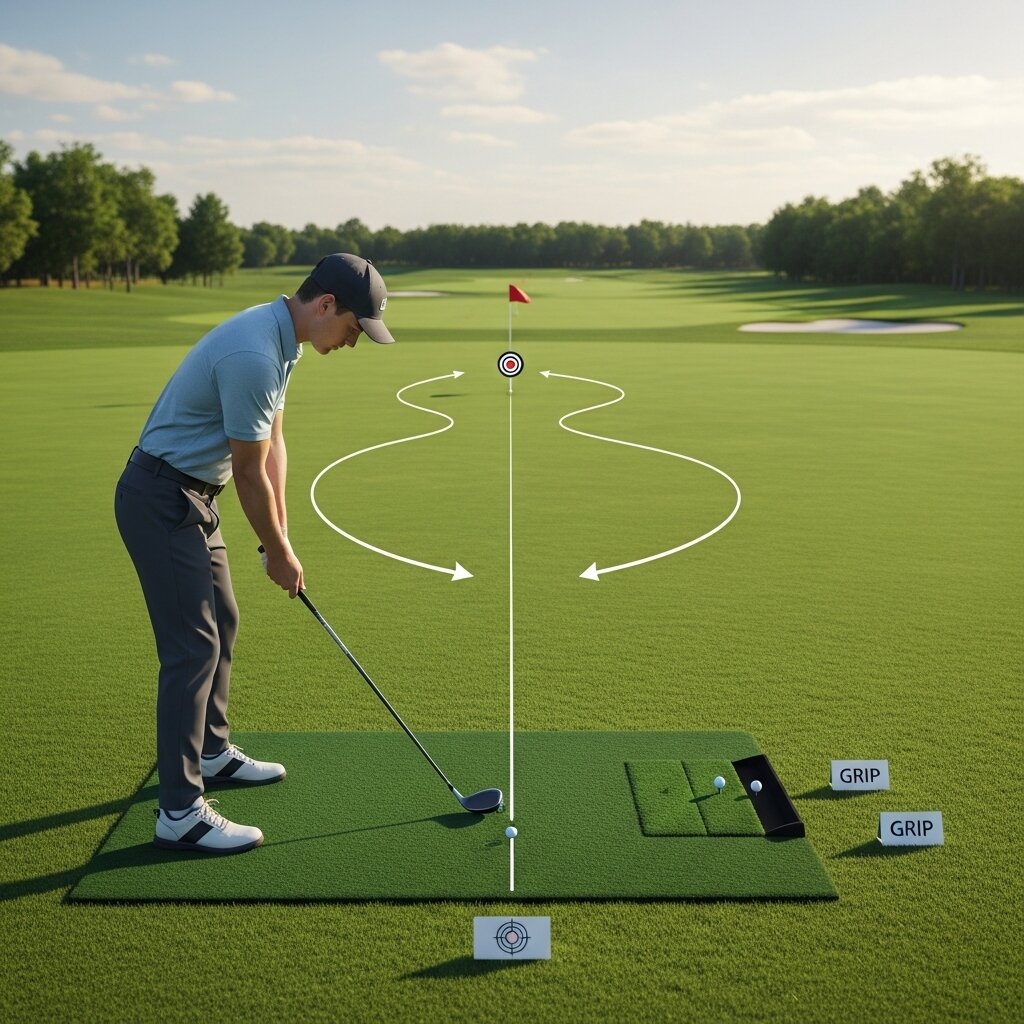
Accuracy in golf is built through alignment, patience, and repetition. A key Tips for Beginners Golf strategy is always selecting a clear target before every shot. Many beginners make the mistake of aiming generally instead of focusing on a specific point, which leads to inconsistency. Using alignment aids during practice, such as clubs placed on the ground, helps train your body to aim correctly. Instead of focusing on power, prioritize clean contact and controlled direction. The more precise your setup, the more accurate your shots will become over time.
Easy Golf Practice Drills for Beginners
Structured practice drills are one of the fastest ways to improve your game. A helpful Tips for Beginners Golf method is using simple, repeatable exercises that build muscle memory. For putting, the “gate drill” helps you develop a straight stroke by guiding your putter between two markers. For chipping, landing the ball on a towel or small target improves distance control and precision. Slow swing drills are also useful because they help you feel proper balance, timing, and body rotation. Practicing these regularly builds confidence and consistency.
Common Golf Mistakes Beginners Should Avoid
Most beginner struggles come from small but important mistakes. A major Tips for Beginners Golf reminder is to avoid over-swinging. Trying to hit the ball too hard usually leads to poor balance and inconsistent results. Another common mistake is lifting your head too early, which disrupts posture and affects contact quality. Beginners also often neglect alignment, causing shots to drift off target. Staying patient, relaxed, and focused on fundamentals will improve your performance far faster than chasing power or distance.
Golf Short Game Tips for Beginners
The short game is one of the most important parts of golf and often determines your score. A crucial Tips for Beginners Golf focus is dedicating significant practice time to putting and chipping. These shots require touch, control, and feel rather than strength. Learning how the ball reacts on different greens and how wedges affect roll and spin will greatly improve your scoring ability. Developing confidence around the green allows you to recover from mistakes and reduce unnecessary strokes, making a big difference in overall performance.
Choosing the Right Golf Equipment as a Beginner
Selecting the right equipment plays a major role in how quickly a beginner improves. Many new players make the mistake of buying expensive professional sets, but this is unnecessary in the early stages. A beginner-friendly set should be simple, lightweight, and forgiving.
A basic setup usually includes a driver for long shots, a few irons for mid-range control, a wedge for short game precision, and a putter for finishing on the green. Clubs with larger “sweet spots” are especially helpful because they reduce the impact of off-center hits, making it easier to achieve consistent results.
Other essentials include a comfortable glove to improve grip, durable golf balls for practice, and a lightweight carry bag. Starting simple allows beginners to focus on learning technique rather than struggling with advanced equipment features.
Importance of Warm-Up Before Playing Golf
Warming up is a critical step that many beginners ignore, but it has a direct impact on performance. Golf involves repeated twisting, bending, and swinging motions, so preparing your body helps prevent injuries and improves flexibility.
A proper warm-up should begin with light stretching exercises targeting the shoulders, lower back, wrists, and hips. These areas are heavily involved in the swing motion. After stretching, beginners should perform slow practice swings to activate muscle memory and improve rhythm.
Spending a few minutes on putting practice is also beneficial because it helps you adjust to green speed before the round begins. A good warm-up routine not only prepares your body physically but also helps you mentally focus and build early confidence.
Mental Focus and Confidence in Golf
Golf is unique because it requires strong mental discipline. Unlike many sports, there is no time pressure, which means players often overthink their shots. Beginners frequently lose confidence after one or two bad swings, which negatively affects their entire game.
A key mental strategy is learning to focus only on the current shot. Each stroke should be treated as a fresh opportunity rather than a reaction to previous mistakes. Visualization is another powerful technique—imagining the ball’s trajectory before swinging helps improve focus and accuracy.
Patience is essential because progress in golf is gradual. Accepting mistakes as part of the learning process reduces frustration and allows beginners to enjoy the game more while steadily improving.
Understanding Different Golf Course Types
Golf environments vary significantly, and beginners should understand these differences before playing. A driving range is the best place to start, as it allows unlimited practice without pressure or scoring concerns. It is ideal for learning swing mechanics and building consistency.
Par-3 courses are shorter and less intimidating, making them perfect for beginners who want to experience real gameplay without the complexity of long holes. These courses help develop short-game skills and basic course awareness.
Full 18-hole courses are more advanced and require endurance, strategy, and time management. Beginners should only move to these once they feel comfortable with basic shots and can maintain steady play throughout a round.
Frequently Asked Questions
Ready to Hit the Links?
Getting comfortable with golf takes patience, but building strong fundamentals early will make a huge difference in your progress. Focus on a relaxed and consistent grip, smooth swing tempo, and steady posture rather than trying to hit the ball too hard. Small improvements in your short game—especially putting and chipping—will quickly lower your scores and boost your confidence on the course.
As you continue practicing, try to stay consistent rather than perfect. Spend time at the driving range, play casual rounds when possible, and keep applying the basic techniques regularly. With steady effort and the right Tips for Beginners Golf, you’ll start seeing real improvement and enjoy the game much more over time.
