


Few aspects of competitive performance are as overlooked as the mental game in golf, yet today approximately 90 percent of consistent success on the course hinges on what happens inside the mind as much as what occurs in the swing plane. In today’s digital landscape, golfers of all skill levels seek ways to sharpen focus, manage stress, and build unwavering confidence amid ever-present pressure. Whether you are a weekend enthusiast chasing lower scores or an aspiring professional striving to finish under par, integrating proven psychology-based techniques into your practice regimen can transform hesitation into decisive play.
This year (2026), sports science continues to validate methods such as structured pre-shot routines, guided visualization, controlled breathing, and resilience drills as foundational pillars of mental preparation. Moreover, cutting-edge wearables and mobile applications designed by research institutions (https://www.apa.org) and governing bodies (https://www.usga.org) help players track emotional arousal and refine their psychological strategies in real time. By committing to a comprehensive mental training plan, you not only sharpen your competitive edge but also heighten enjoyment and consistency throughout each round. In this extensive guide, we will explore five core areas of mental skill development, offer actionable drills, and illustrate how to integrate these practices seamlessly into your on-course routine. Embrace these concepts today, and unlock the mental clarity needed to turn good swings into great results week after week.
Understanding the Role of Focus and Concentration
Golf demands unwavering attention to detail, from club selection and alignment to tempo and finish. Unlike team sports with rapid resets, golf offers no instant do-overs—every shot remains in view, and the space between each stroke teems with distractions. Instructors at leading sports psychology labs emphasize that mental lapses often stem from fragmented attention and emotional reactivity, which can spiral into on-course anxiety.
Developing focus begins with breaking down your round into manageable segments. For instance, concentrate solely on the mechanics of your backswing during practice, then shift your full attention to the follow-through in the next set of shots. On the course, use simple cues—such as towel taps or sun-ward glances—to anchor awareness and interrupt wandering thoughts. Research published by university performance centers demonstrates that athletes who practice single-task drills for just 10 minutes daily can significantly improve their concentration span under pressure.
To cultivate this skill, introduce the Ball-Spot Drill. Mark a pinpoint target on the practice green and execute 20 putts aiming exactly at that spot, observing how each stroke feels and sounds. Next, try the One-Ball Challenge: take only one golf ball to your putting station, forcing perfect engagement on every putt since you cannot rely on multiple attempts. Over weeks, these focused exercises forge neural pathways that amplify your ability to lock in on vital details, making external distractions fade into the background of your mental field of vision.
Establishing a Consistent Pre-Shot Routine
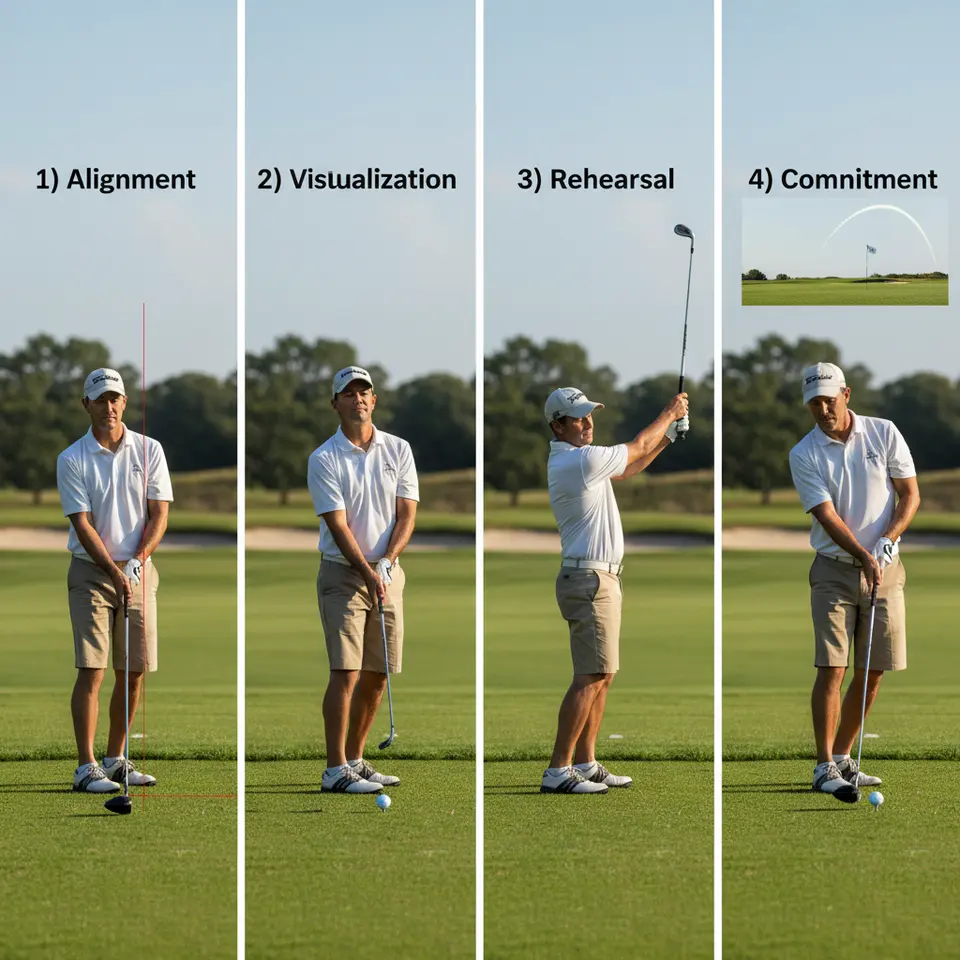
A hallmark of elite golfers is a methodical pre-shot routine that they execute identically before each stroke. This repeatable sequence creates a neural anchor, signaling to the subconscious mind, “It’s time to perform.” When nerves threaten to hijack your composure, a steadfast routine can reset mental chatter and redirect energy toward productive execution.
Begin crafting your pre-shot ritual by dividing it into four distinct phases: alignment, visualization, rehearsal, and commitment. In the alignment phase, square your feet, hips, and shoulders to the intended target. During visualization, picture the shot shape, landing area, and ideal roll-out in as much sensory detail as possible. Rehearsal involves one or two rhythmic practice swings, maintaining the same tempo you intend to use on the ball. Finally, in the commitment phase, take a deep, diaphragmatic breath to quell tension, then stride into the shot with conviction.
Consistency is key. Whether you stand on the tee box, amid tall fescue, or over a delicate chip shot, follow each step in the same order and timing. According to guidelines from the National Collegiate Athletic Association’s mental performance program, athletes who adhere to a structured pre-action sequence score higher under competitive conditions than those with erratic routines. Record your personalized routine in a success journal and revisit it often. As muscle memory takes hold, your mind will switch into optimal performance mode seamlessly, reducing decision fatigue and increasing shot-making confidence from the first hole to the last.
Harnessing Visualization and Mental Imagery
Mental imagery is more than daydreaming—it’s a deliberate practice that engages the same neural circuits as physical execution. When you vividly imagine a golf swing and ball flight, your brain rehearses the sequence of motions, kinesthetic feedback, and visual cues required for success. Over time, this mental rehearsal solidifies motor patterns, making real-life swings more fluid and automatic.
To leverage visualization, dedicate 5–10 minutes before each practice session or round to immersive imagery drills. Find a quiet spot, close your eyes, and mentally walk through the entire shot: feel the grip pressure, sense the weight shift into your lead side, hear the clubhead striking the sweet spot, and watch the ball soar precisely along your intended path. Elite competitors often carry short cue cards in their golf bags, listing visual triggers such as “target flush contact” or “gentle follow-through,” to refocus between holes.
For added realism, combine imagery with physical movements—practice swings synchronized with mental sightlines and sensory recollections of past successful shots. Scientists at premier performance centers assert that consistent mental imagery can lower physiological arousal, translating into reduced heart rate and muscle tension when facing high-stakes putts. By ingraining vivid outcome scenarios in your mind, you diminish performance anxiety and elevate your confidence in clutch moments.
Implementing Breathing and Relaxation Techniques
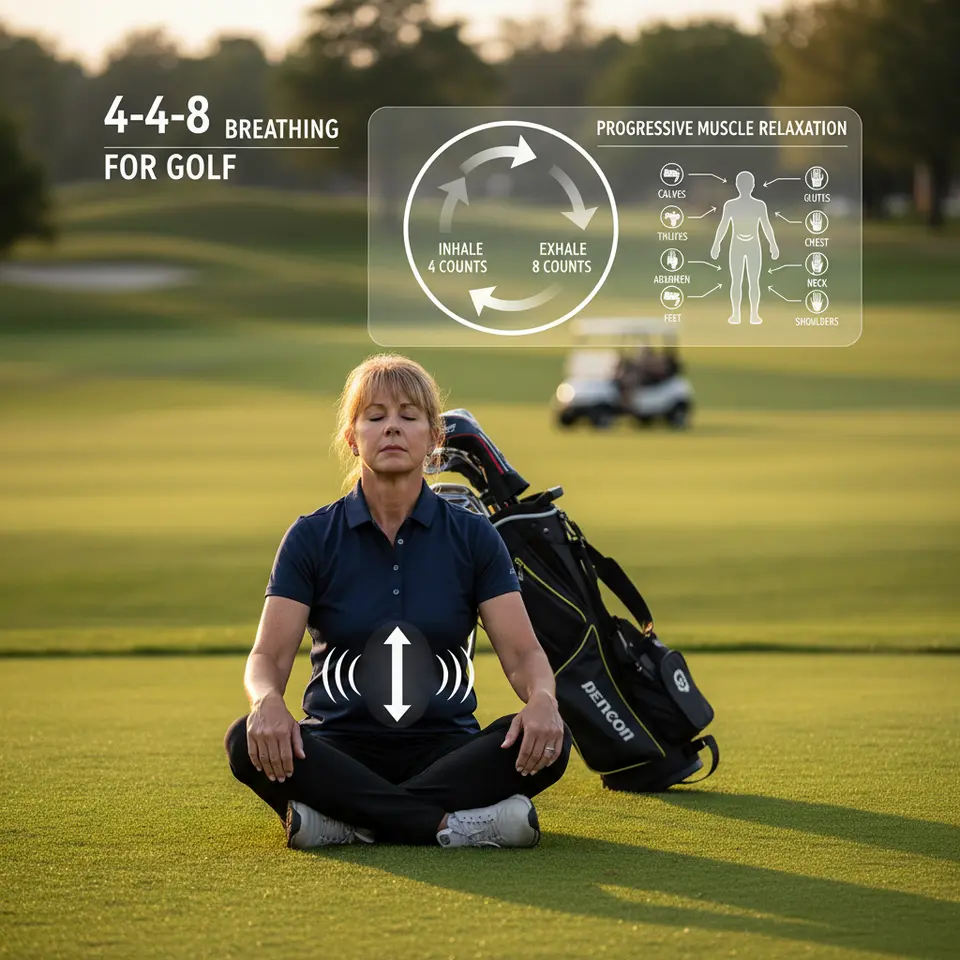
Controlled breathing serves as a direct pathway to the autonomic nervous system, allowing you to dial down fight-or-flight responses and regain composure. One of the simplest yet most effective methods is the 4-4-8 pattern: inhale quietly through the nose to a count of four, hold the breath for another four counts, then exhale gently through the mouth over eight counts.
Integrate this breathing cycle into your pre-shot routine or pause at the end of a challenging hole to recenter. As you breathe, focus on expanding your abdomen rather than your chest, which signals the body to release tension and promotes sharper cognitive function. Many modern wearable devices can track heart-rate variability, offering real-time feedback on when your body is in a relaxed state (https://www.usga.org). Use these insights to practice breathing drills when you notice physiological stress markers rising.
Another technique is progressive muscle relaxation. Tense each muscle group—starting from your feet and moving upward to your shoulders and neck—for a count of five, then release abruptly. This contrast between tension and release enhances bodily awareness and disrupts anxiety loops. Practicing these methods regularly during range sessions ensures that when the heat is on—such as sinking a critical three-footer—you can press a mental reset button and execute your stroke with poise and clarity.
Decoding Resilience and Confidence-Building Strategies
Resilience in golf means bouncing back swiftly from missed fairways, wayward approach shots, or three-putts. The cornerstone of this mental toughness is self-compassion combined with proactive reflection. Start by keeping a success journal in which you log daily positives—solid strikes, effective course management decisions, or mental wins like maintaining your routine under duress.
Review your entries weekly and extract two actionable takeaways to focus on during subsequent practice sessions. For instance, if you notice that your best performances occurred when you paused for a deep breath after errant shots, reinforce that habit by adding a “breath and reset” cue to your checklist. Concurrently, transform negative self-talk into constructive affirmation. Replace thoughts such as “I always chunk chips” with “I trust my short game setup and feel the chip sequence.” This subtle linguistic shift engages the brain’s reward circuitry, building emotional momentum.
Goal setting also underpins confidence development. Rather than fixating on aggregate scores, set process-oriented objectives: hit 75 percent of fairways, maintain smooth tempo on 10 consecutive yards-to-go drills, or visualize every putt for one hole. Tracking progress against these metrics yields a sense of mastery that feeds self-assurance. In competitive scenarios, break the round into mini contests—focus only on the next three holes—so you never feel overwhelmed by the bigger picture. By mastering small battles, you’ll accumulate triumphs that bolster resilience and sustain belief in your abilities when the stakes are highest.
Conclusion
Elevating your performance in today’s landscape of advanced equipment and data-driven instruction requires an equally robust mental foundation. By weaving together focused attention drills, a reliable pre-shot routine, vivid visualization, targeted breathing techniques, and resilience-building practices, you create a holistic approach to the mental game in golf. Remember to leverage authoritative resources and technology—such as biofeedback devices and sports psychology insights from recognized institutions—to monitor your progress and refine your strategies.
This year (2026), challenge yourself to commit at least 10 minutes daily to mental training, just as you would to refining your swing. Over time, these exercises become second nature, allowing you to step onto any tee box with poise, execute shots under pressure, and bounce back from adversity. Embrace a growth mindset, celebrate small victories, and maintain positive self-talk. In doing so, you won’t just shoot lower scores—you’ll experience more enjoyment, confidence, and consistency in every round you play.
